
Have you ever wondered who the “Lady with the Lamp” really is? This title isn’t just a nickname—it carries a powerful story that has inspired countless people around the world.
If you want to discover the woman behind this famous name and understand why she’s remembered with such respect and admiration, you’re in the right place. Keep reading, and you’ll find out how her actions changed the way we see care and compassion forever.
Your curiosity will be rewarded with a story that might just inspire you in your own life.
Origins Of The Lady With The Lamp
Florence Nightingale is known as the Lady with the Lamp. She cared for wounded soldiers during the Crimean War. Her nightly rounds with a lamp made her famous.
Who Was The Lady With The Lamp?
The Lady With the Lamp is Florence Nightingale. She was a nurse in the 19th century. Florence became famous during the Crimean War. She cared for wounded soldiers in dark, cold hospitals.
Her nightly rounds with a small lamp earned her this name. She brought hope and comfort to many injured men. Her work changed nursing forever.
The Crimean War And Her Role
The Crimean War started in 1853. Many soldiers were hurt and sick. Hospitals were dirty and crowded. Diseases spread quickly. Conditions were terrible.
Florence Nightingale arrived with a team of nurses. She cleaned the hospitals and improved hygiene. Her care helped lower death rates. She worked day and night, always with her lamp.
The Symbol Of The Lamp
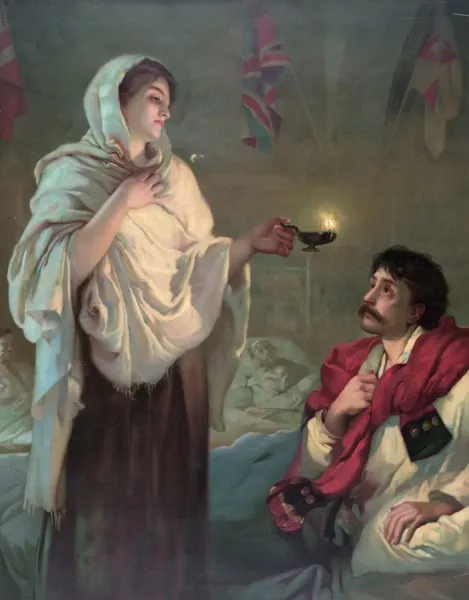
The lamp became a symbol of care and hope. Florence carried it while checking on patients at night. It showed her dedication and kindness. People saw her as a guardian angel to soldiers. The lamp still represents nursing and compassion today.
Credit: www.mediastorehouse.com
Role During The Crimean War
Florence Nightingale is known as the Lady with the Lamp for her work during the Crimean War. She cared for wounded soldiers at night, using a lamp to see in dark wards. Her efforts improved hospital conditions and saved many lives.
The Lady with the Lamp is Florence Nightingale. She became famous for her work in the Crimean War. She changed how soldiers were cared for during this war.
At the start of the war, hospitals were dirty and poorly organized. Many soldiers died from infections, not battle wounds. Florence Nightingale saw this problem and wanted to help.
Improving Hospital Conditions
Florence Nightingale led a group of nurses to a military hospital in Scutari, Turkey. She cleaned the wards and brought order to the chaos. She focused on hygiene, fresh air, and clean water. These changes lowered death rates quickly.
Nighttime Rounds And The Lamp
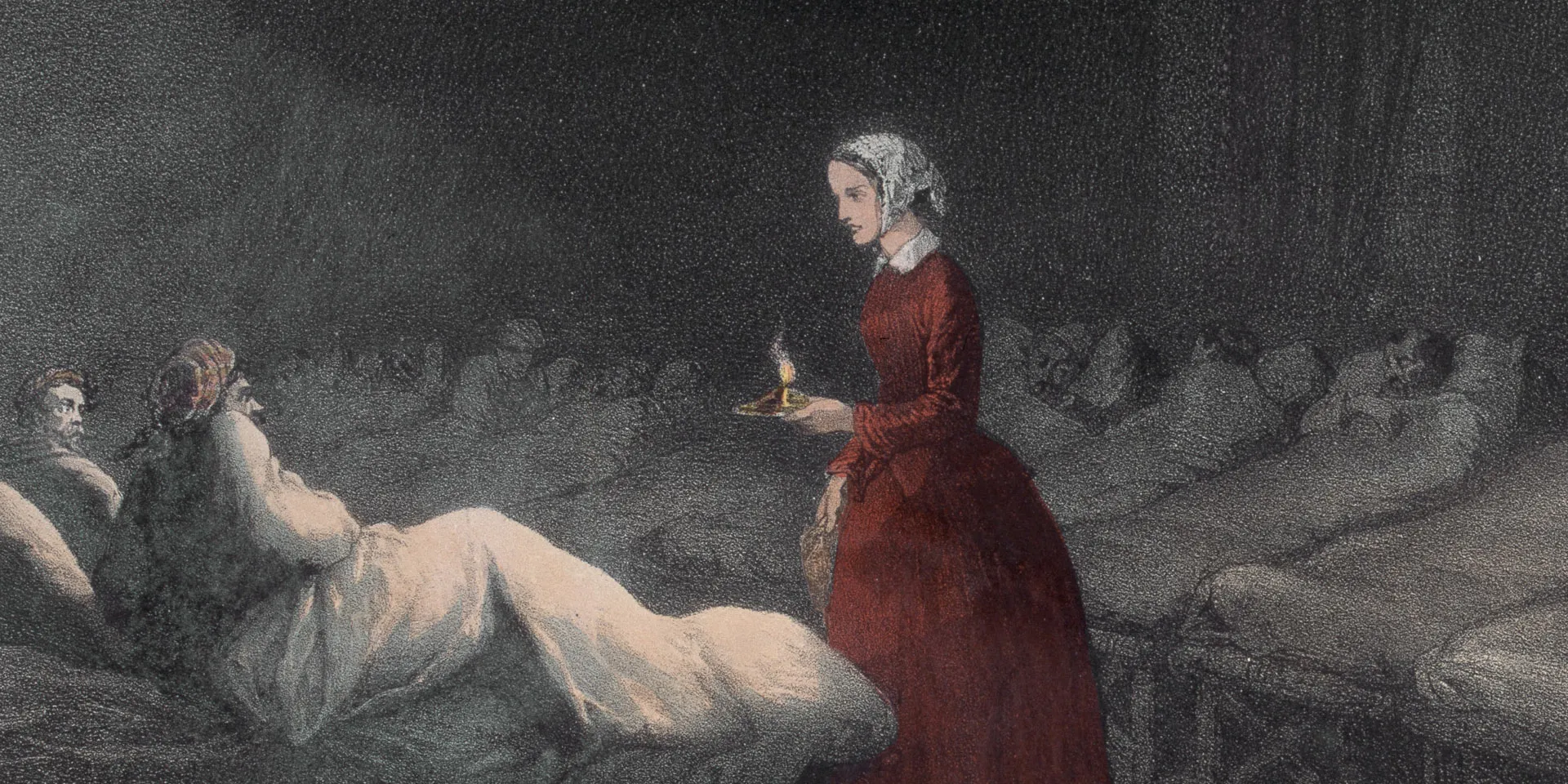
She visited wounded soldiers at night. Carrying a lamp, she checked on patients quietly. This earned her the nickname “The Lady with the Lamp.” Her gentle care gave hope to many soldiers in pain.
Impact On Nursing And Healthcare
Her work during the Crimean War showed the need for trained nurses. She set new standards for nursing care. Hospitals across the world began to follow her methods. Florence Nightingale’s role in the war changed nursing forever.
Impact On Nursing Practices
Florence Nightingale, known as the Lady with the Lamp, changed nursing forever. Her work during the Crimean War showed how nurses could improve patient care. She brought new ideas and standards to nursing that still matter today.
Her focus on hygiene and sanitation lowered death rates in hospitals. She proved that clean environments help patients heal faster. This idea became a key part of nursing education and hospital rules worldwide.
Improved Hygiene And Sanitation
Nightingale made hygiene a top priority in nursing. She taught nurses to wash hands and clean wounds carefully. This simple practice stopped many infections. Hospitals started to follow strict cleanliness rules because of her.
Patient-centered Care
She believed nurses should care for the whole person, not just the illness. Nurses learned to watch patients closely and provide comfort. Listening to patients became an important skill for nurses. This approach made patients feel safer and more cared for.
Use Of Data And Statistics
Nightingale used numbers to prove her ideas worked. She collected data on death rates and hospital conditions. This helped hospitals see where they needed to improve. Using data became a tool for better healthcare decisions.
Professional Training For Nurses
She started the first nursing school to train nurses properly. Nurses learned science, hygiene, and patient care skills. This made nursing a respected profession. Education and training became vital parts of nursing careers.

Credit: nursingclio.org
Personal Life And Challenges
The personal life of the Lady with the Lamp reveals a woman of great strength. She faced many challenges but never gave up on her goals. Her story inspires many around the world.
She lived in a time when women’s roles were limited. Despite this, she chose nursing as her career, a field not widely accepted for women then. Her family did not always support her decisions, which made her path harder.
Her health was also a challenge. She suffered from illnesses due to long hours and poor conditions during her work. Even so, she continued to care for others with great dedication.
Early Family Life And Background
Born into a wealthy family, she had access to good education. Her parents wanted her to marry well and live a quiet life. Instead, she followed her passion for helping sick people. This choice caused tension at home but shaped her future.
Health Struggles And Resilience
Her work in hospitals during wars exposed her to many diseases. She caught serious illnesses that made her weak. Despite this, she returned to nursing after recovery. Her resilience inspired many nurses who came after her.
Challenges In Nursing Career
She faced resistance from the medical community. Some doctors did not accept women nurses as equals. She fought to improve nursing standards and hospital care. Her efforts led to better training and respect for nurses.
Legacy And Recognition Today
The legacy of the Lady with the Lamp lives on in many ways. Her work changed nursing forever. Today, she is still a symbol of care and courage. People honor her memory through awards, statues, and educational programs.
Her example inspires nurses worldwide. Her name is linked to compassion and dedication. Hospitals and nursing schools recognize her influence every day. Her story encourages new generations to serve others with kindness.
Memorials And Statues
Many memorials celebrate her life and work. Statues of her holding a lamp stand in public places. These remind people of her night rounds during the Crimean War. The lamp became a powerful symbol of hope and help.
International Nurses Day
International Nurses Day honors her birth anniversary. This day celebrates nurses’ hard work around the world. Events and ceremonies highlight her contributions to healthcare. It reminds everyone of the value of nursing care.
Nursing Awards And Scholarships
Several awards carry her name to recognize excellence in nursing. Scholarships help students follow in her footsteps. These funds support education for future nurses. Her legacy pushes the profession to reach higher standards.
Credit: www.nam.ac.uk
Frequently Asked Questions
Who Is Known As The Lady With The Lamp?
The Lady with the Lamp is Florence Nightingale. She earned this name for caring for wounded soldiers at night during the Crimean War.
Why Is Florence Nightingale Famous In Nursing History?
Florence Nightingale is famous for founding modern nursing. She improved hospital hygiene and patient care, saving many lives.
What Did The Lady With The Lamp Contribute To Healthcare?
She introduced sanitation and hygiene practices in hospitals. Her work reduced infections and made hospitals safer for patients.
Conclusion
Florence Nightingale earned the name “Lady with the Lamp” for her care. She walked through dark hospital wards, bringing hope and comfort. Her work changed nursing and saved many lives. Today, she inspires nurses and caregivers worldwide. This simple title holds a story of kindness and strength.
Remembering her helps us value care and dedication every day.

