
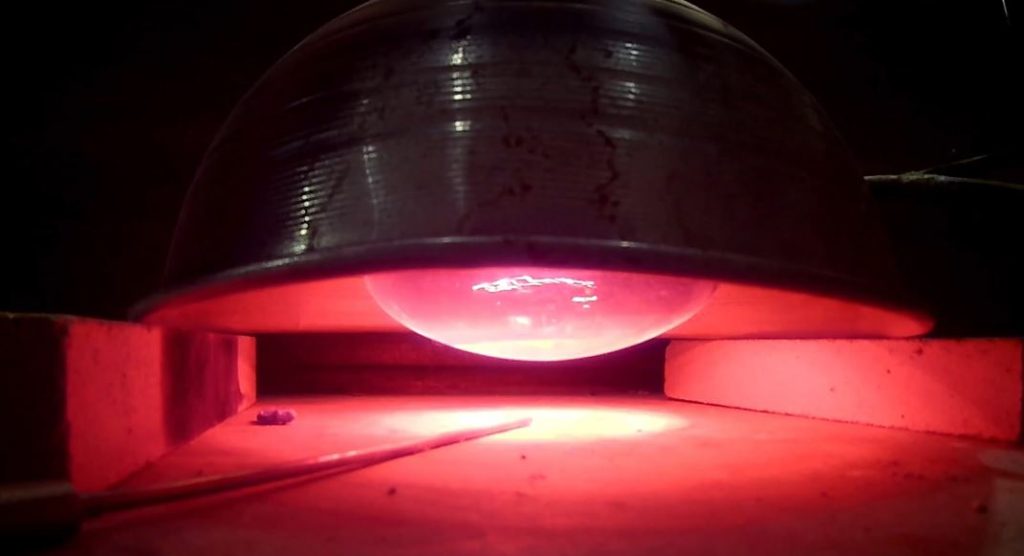
What waves are used in heat lamps? Heat lamps primarily use infrared waves, especially near-infrared (NIR) and mid-infrared (MIR) wavelengths. These waves efficiently transfer heat to objects and surfaces without significantly warming the surrounding air, making them ideal for cooking, reptile care, and space heating.
Have you ever wondered what kind of waves heat lamps use to warm up a room or keep your food hot? Understanding these waves can help you choose the right heat lamp for your needs and use it more effectively.
You’ll discover exactly what waves power heat lamps and why they matter. By the end, you’ll know how these waves work to deliver steady, comforting heat right where you need it. Keep reading—this knowledge could change the way you think about heat and warmth every day.
What Waves Are Used in Heat Lamps?

Credit: www.infralia.com
Types Of Waves In Heat Lamps
Heat lamps use specific types of waves to produce warmth. These waves transfer heat energy to objects and people. Understanding the types of waves helps explain how heat lamps work.
Heat lamps mainly use infrared waves. Infrared waves are invisible to the human eye but carry heat. They make heat lamps effective for many uses, such as warming food or animals.
Infrared A Waves (near-infrared)
Infrared A waves are the shortest infrared waves. They penetrate the skin deeply and provide quick warmth. This makes them useful in heat lamps for therapy and personal heating.
Infrared B Waves (mid-infrared)
Infrared B waves reach the skin surface and just below it. They offer gentle heat and help improve blood flow. Heat lamps with these waves are good for relaxing muscles.
Infrared C Waves (far-infrared)
Infrared C waves are the longest infrared waves. They mainly heat the surface of objects. These waves are common in heat lamps for food warming and keeping spaces cozy.
Visible Light Waves
Some heat lamps also emit visible light waves. These waves add brightness along with heat. Visible light helps users see the warmed area clearly.
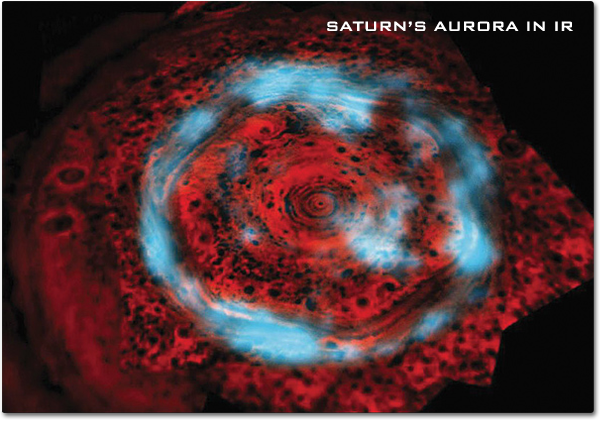
Credit: science.nasa.gov
Role Of Infrared Waves
Infrared waves produce heat without light, making them ideal for heat lamps. These waves warm objects directly, offering efficient and gentle heating. Heat lamps rely mainly on infrared radiation to provide steady and comfortable warmth.
What Are Infrared Waves?
Infrared waves are a type of light that we cannot see. They carry heat energy. These waves have longer wavelengths than visible light. Heat lamps use this kind of light to warm objects and people.
How Infrared Waves Produce Heat
Infrared waves move through the air and hit surfaces. When they touch skin or objects, they cause molecules to vibrate. This vibration creates warmth. This process heats quickly and feels natural.
Why Infrared Waves Are Ideal For Heat Lamps
Infrared waves heat directly without warming the air first. This saves energy and warms faster. They also penetrate deeper into the skin, providing lasting warmth. These waves are safe and comfortable for daily use.
Wavelengths And Their Effects
Heat lamps use specific wavelengths of light to produce warmth. These wavelengths affect how heat is delivered and absorbed. Understanding these wavelengths helps explain why heat lamps work well in many settings. They also show how different heat lamps suit various needs.
Infrared Waves
Heat lamps mostly use infrared waves. These waves are invisible to the human eye. Infrared waves carry heat energy directly to objects and skin. This direct transfer makes infrared heat lamps very efficient. Infrared waves warm without heating the air much. This is why they are popular in food warming and animal care.
Near-infrared Vs. Far-infrared
Near-infrared waves have shorter lengths and higher energy. They penetrate the skin slightly and warm the body quickly. Far-infrared waves have longer lengths and lower energy. They warm objects and surfaces more gently. Both types are useful in heat lamps, depending on the purpose.
Effects On Heat Absorption
Different wavelengths affect heat absorption differently. Shorter wavelengths heat the skin more directly. Longer wavelengths warm objects around slowly. This difference changes how heat feels. It also impacts how heat lamps are designed for comfort and safety.
Applications Of Infrared Heat Lamps
Infrared heat lamps use specific waves to produce warmth. These waves are mostly in the infrared spectrum. They have many uses in daily life and industry. Infrared heat lamps provide direct heat without heating the air first. This makes them energy efficient and quick. Many fields benefit from these lamps.
Industrial Drying And Curing
Infrared heat lamps speed up drying processes in factories. They help cure paints, inks, and adhesives fast. This saves time and energy. Products move quicker on assembly lines. The heat is gentle and even, preventing damage.
Food Warming And Cooking
Restaurants use infrared heat lamps to keep food warm. The lamps keep dishes hot without drying them out. They also help cook some foods evenly. Infrared heat keeps food safe and fresh for serving.
Medical And Therapeutic Uses
Infrared lamps ease muscle pain and stiffness. They improve blood flow and help healing. Therapists use these lamps in clinics and homes. The gentle heat relaxes muscles and reduces inflammation.
Animal Care And Farming
Farmers use infrared lamps to keep animals warm. Newborn animals need extra heat to survive. These lamps provide safe, steady warmth. They help animals grow healthy and strong.
Home Heating And Comfort
Infrared heat lamps warm rooms quickly and quietly. They are good for small spaces or outdoor areas. The heat feels natural and soothing on skin. Many use them in bathrooms and patios.
Benefits Of Infrared Heating
Infrared heating uses specific waves to warm objects directly. These waves are invisible and transfer heat without warming the air first. Many people prefer infrared heat lamps for their efficiency and comfort.
Infrared heating has many benefits. It provides steady warmth and saves energy. The heat feels natural and gentle on the skin. It also works well in various settings, from homes to outdoor spaces.
Efficient Energy Use
Infrared waves heat objects directly, not the air. This method reduces wasted energy. Heat stays where it is needed the most. This efficiency lowers electricity bills over time.
Comfortable And Natural Warmth
The heat from infrared lamps feels like the sun’s rays. It warms your body, not just the air around you. This creates a soothing and cozy environment. It helps avoid dry air problems common with other heaters.
Quick And Targeted Heating
Infrared heat lamps warm up fast. They deliver heat exactly where it is needed. This saves time and improves comfort. Ideal for small spaces or outdoor use.
Safe And Quiet Operation
Infrared heat lamps operate silently. They have no moving parts, reducing noise and breakdowns. These lamps are safe to use around people and pets. They do not produce harmful emissions or odors.
Credit: www.numerade.com
Frequently Asked Questions
What Type Of Waves Do Heat Lamps Use?
Heat lamps use infrared waves to produce warmth. These waves transfer heat efficiently without heating the air.
Are Infrared Waves Safe For Skin Exposure?
Infrared waves used in heat lamps are generally safe for skin when used properly and briefly.
How Do Infrared Waves Heat Objects In Heat Lamps?
Infrared waves heat objects by making their molecules move faster, creating warmth without direct contact.
Conclusion
Heat lamps use infrared waves to produce warmth efficiently. These waves travel through the air and heat objects directly. This method saves energy and provides steady heat. Understanding these waves helps in choosing the right heat lamp. Proper use ensures comfort and safety in many settings.
Knowing this makes it easier to pick the best lamp for your needs. Heat lamps with the right waves work well in homes and businesses. They keep spaces warm without wasting power or causing harm.
Read More
- What Watt Light Bulb for Lamp: Choosing the Perfect Brightness
- What Temp Do Chicks Need a Heat Lamp? Essential Guide for Healthy Growth
- Why Does My Salt Lamp Leak? Causes, Fixes & Expert Tips

