

What watt light bulb for lamp? Most table lamps use 40W to 60W incandescent bulbs, but if you’re using LED bulbs, choose 6W to 10W (equivalent to 40W–60W). Always check the lamp’s maximum wattage rating—usually no more than 60W for safety.
Choosing the right watt light bulb for your lamp might seem simple, but it can make a big difference in how your space looks and feels. Have you ever noticed a lamp that’s too bright or too dim?
That’s usually because the bulb wattage doesn’t match the lamp’s needs. You’ll discover exactly what watt light bulb works best for your lamp, so you can enjoy perfect lighting every time. Keep reading to find out how to pick the right bulb that saves energy, protects your lamp, and creates the cozy atmosphere you want.
What Watt Light Bulb for Lamp?
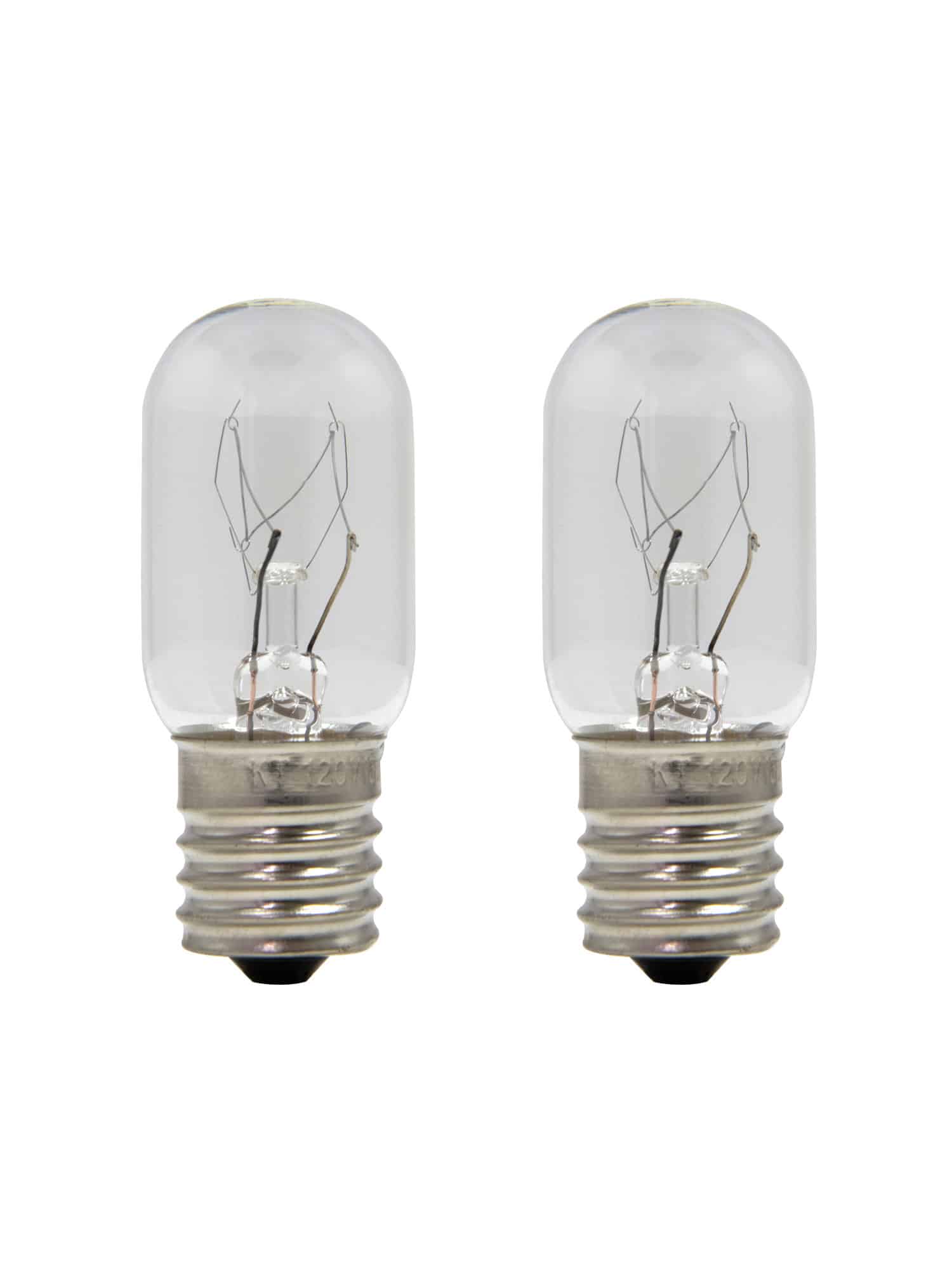
Credit: lavalamp.com
Types Of Light Bulbs
Choosing the right light bulb for your lamp depends on the type of bulb. Different bulbs offer various brightness levels and energy use. Knowing the types helps you pick the best bulb for your needs.
Each bulb type has unique features, lifespan, and cost. Understanding these can save money and improve lighting quality.
Incandescent
Incandescent bulbs are the traditional type. They produce warm, soft light. These bulbs use more energy and have a shorter lifespan. They work well in lamps that need gentle lighting.
Led
LED bulbs use very little energy. They last much longer than incandescent bulbs. LEDs come in many colors and brightness levels. They are perfect for saving electricity and reducing costs.
Cfl
CFL stands for compact fluorescent lamp. These bulbs use less energy than incandescent. They take a few seconds to reach full brightness. CFLs last longer but contain small amounts of mercury.
Halogen
Halogen bulbs give bright, white light. They are more energy-efficient than incandescent bulbs. Halogens work well in lamps that need focused lighting. They get hot quickly and need careful handling.
:max_bytes(150000):strip_icc()/wrong-light-bulb-wattage-1152517-hero-c543f9b8d34942bc954edd97003bde6c.jpg)
Credit: www.thespruce.com
Measuring Brightness
Choosing the right light bulb for your lamp means understanding brightness. Brightness shows how much light a bulb gives. It affects how well you see and the mood in a room. Brightness is measured in two main ways: watts and lumens. Knowing the difference helps pick the best bulb.
Watts Vs Lumens
Watts tell how much energy a bulb uses. It does not tell how bright the light is. A bulb with high watts can use more electricity but may not be bright. Lumens measure the actual brightness of the bulb. The more lumens, the brighter the light. For lamps, lumens are a better guide than watts.
Why Lumens Matter
Lumens show the true light output. They help compare bulbs of different types. For example, LED bulbs use less watts but give more lumens. This means they are bright but save energy. Choosing bulbs by lumens ensures the lamp gives enough light. This keeps rooms comfortable and well-lit.
Choosing The Right Wattage
Choosing the right wattage for your lamp is important for good lighting. The wattage affects how bright the light will be. Too high wattage can waste energy and make the room too bright. Too low wattage can make the room feel dark and dull. Finding the right wattage helps create a comfortable and useful light in your space.
Room Size Considerations
Room size plays a big role in choosing wattage. Small rooms need less light. A lamp with 40 to 60 watts usually works well. Larger rooms need more light. Lamps with 75 to 100 watts or more might be better. Think about how many lamps you have too. More lamps mean you can use lower wattage in each one.
Purpose Of Lighting
Consider what you use the light for. Reading or working needs bright light. Choose a lamp with 60 to 100 watts for clear vision. For relaxing or mood lighting, lower wattage is fine. A 40 to 60 watt bulb can create a soft, warm glow. Match the wattage to the task to avoid eye strain and save energy.
Energy Efficiency Tips
Choosing the right watt light bulb for your lamp helps save energy. Using energy-efficient tips can lower electricity bills. It also helps protect the environment by reducing power use. Simple changes can make a big difference in energy use at home.
Using Led Bulbs
LED bulbs use less energy than traditional bulbs. They last longer and give the same light brightness. Using LED bulbs helps reduce electricity use and saves money. LEDs also stay cooler, which makes them safer for lamps. Switching to LED bulbs is an easy way to cut energy waste.
Dimmers And Controls
Dimmers let you adjust light brightness to fit your needs. Lower brightness means less energy use and longer bulb life. Smart controls can turn lights off automatically when not needed. These controls help avoid wasting energy in empty rooms. Using dimmers and controls keeps your home energy-efficient and bright only when needed.
Common Mistakes To Avoid
Choosing the right watt light bulb for your lamp is important. Many people make mistakes that affect light quality and safety. Avoiding common errors helps keep your room bright and safe.
This section covers two frequent mistakes. Knowing these will help you pick the best bulb for your lamp.
Overlighting
Using a bulb with too high wattage can cause overlighting. Too much light strains your eyes and wastes energy. It can also make a room feel harsh and uncomfortable. Choose a bulb that matches your room size and purpose. Soft, balanced light feels better and lasts longer.
Ignoring Fixture Limits
Every lamp has a maximum wattage limit. Ignoring this can be dangerous. A bulb with higher wattage than allowed can overheat the fixture. This may cause damage or start a fire. Always check the lamp’s label before buying bulbs. Stick to the recommended wattage for safe use.
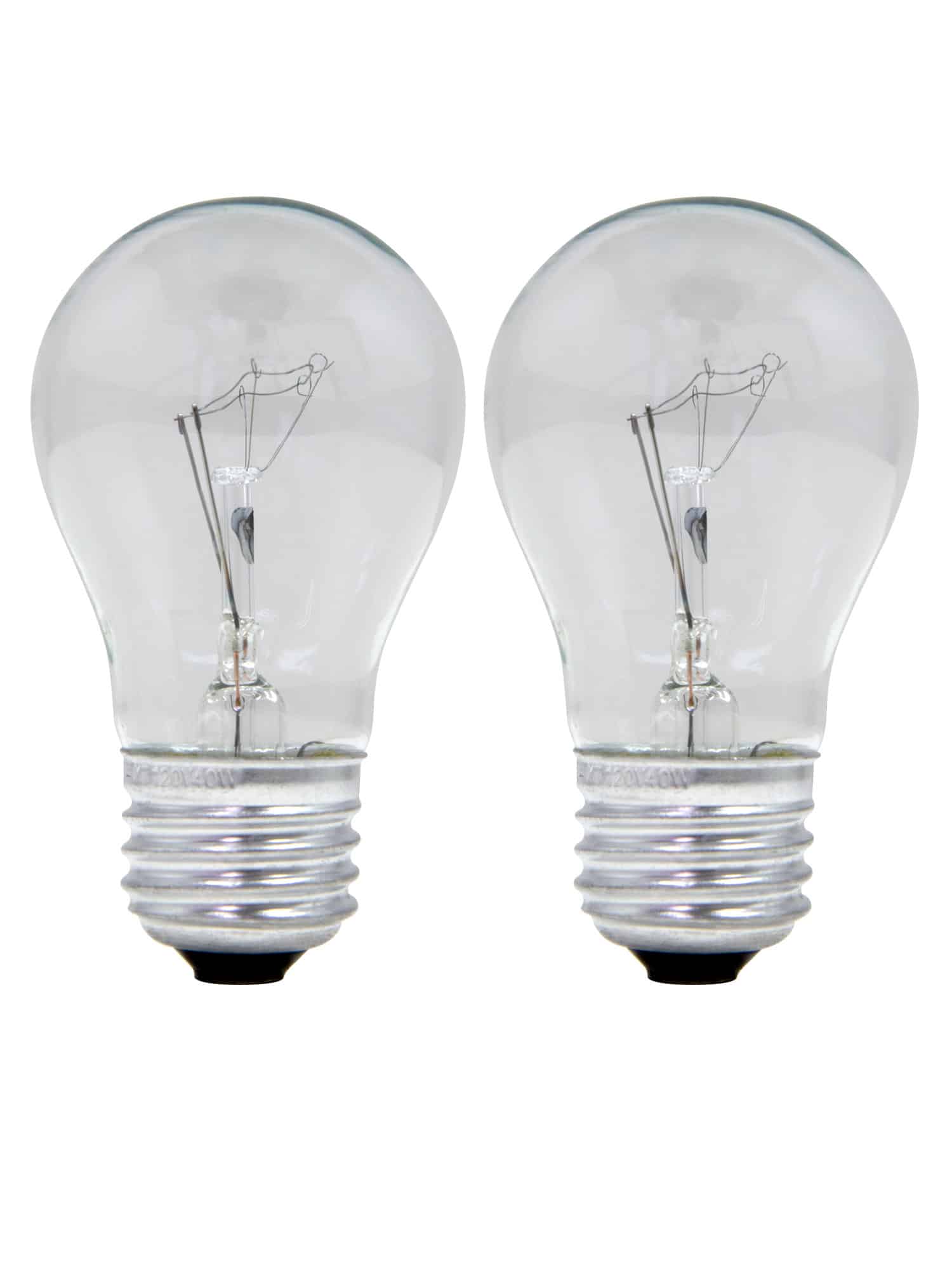
Credit: lavalamp.com
Frequently Asked Questions
What Watt Light Bulb Is Best For Reading Lamps?
A 40 to 60-watt equivalent LED bulb works well for reading lamps. It gives clear, bright light without glare.
Can I Use A Higher Watt Bulb In My Lamp?
Check the lamp’s maximum watt rating first. Using a higher watt bulb can cause overheating and damage.
How Does Wattage Affect Lamp Brightness?
Higher wattage means more brightness but also more energy use. Choose wattage based on your light needs and lamp limits.
Conclusion
Choosing the right watt light bulb for your lamp matters a lot. It affects brightness and energy use. Too high wattage can be unsafe. Too low might not give enough light. Check the lamp’s maximum watt rating first. LED bulbs offer good light with less power.
Think about your room’s size and purpose. Brightness should match your needs. A proper bulb keeps your space comfortable and safe. Take time to pick the right one. Your lamp will work better and last longer. Simple choices make a big difference.

