

What watt heat lamp for chicks? A 250-watt red heat lamp is most commonly used for chicks because it provides consistent warmth. Keep the temperature 32–35°C (90–95°F) during the first week and adjust by raising the lamp as they grow. Ensure proper distance and ventilation for safety.
Are you raising baby chicks and wondering how to keep them warm and healthy? Choosing the right watt heat lamp is one of the most important decisions you’ll make.
Too much heat can harm your chicks, while too little can leave them cold and stressed. You’ll discover exactly what watt heat lamp is best for your chicks, so you can create the perfect cozy environment. Keep reading to learn simple tips that will help your chicks thrive from day one.
What Watt Heat Lamp for Chicks?
Credit: www.mypetchicken.com
Choosing The Right Wattage
Choosing the right wattage for a heat lamp is vital to keep chicks warm and healthy. The wattage controls how much heat the lamp produces. Too much heat can harm the chicks, while too little can leave them cold. Understanding the right wattage helps create a safe and comfortable environment for your young birds.
Factors Influencing Wattage Needs
The size of the brooder affects how much heat is needed. A bigger space needs a higher watt lamp to keep all chicks warm. The room temperature also plays a role. Cooler rooms require higher wattage to maintain the right warmth. The type of lamp and its distance from the chicks matter as well. Closer lamps need less wattage, while lamps placed higher may need more power.
Wattage Recommendations By Chick Age
Newly hatched chicks need the most heat. A 250-watt lamp is common for the first week. As chicks grow, their heat needs drop. At two weeks, a 150-watt lamp often works well. By four weeks, many chicks only need a 75-watt lamp or less. Adjust wattage gradually based on chick behavior. If they huddle under the lamp, they are cold. If they move away, it might be too hot.

Credit: www.amazon.com
Types Of Heat Lamps
Heat lamps are essential for keeping chicks warm and healthy. Choosing the right type helps maintain a safe, cozy space. Two popular types stand out for heating chicks effectively.
Understanding their features helps in making the best choice for your flock.
Infrared Vs Ceramic Heat Lamps
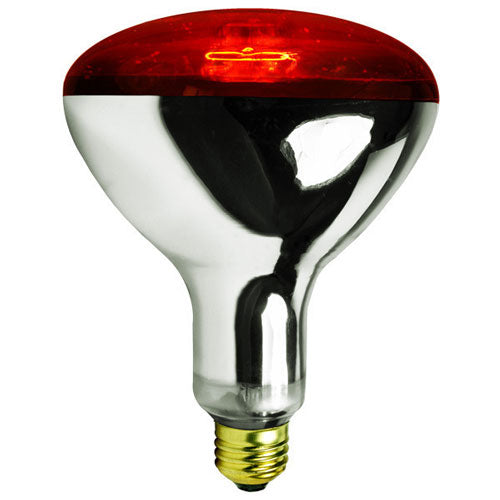
Infrared heat lamps give off red light and warmth. They warm chicks directly without heating the air much. Chicks feel comforted by this direct heat.
Ceramic heat lamps do not produce light. They give off a steady, dry heat that spreads evenly. These lamps are silent and safe for nighttime use.
Infrared lamps are often cheaper but use more energy. Ceramic lamps last longer and are more durable.
Energy Efficiency Considerations
Energy use matters for long-term costs. Infrared lamps consume more power but heat quickly. Ceramic lamps use less energy and stay warm longer.
Choosing the right wattage also affects bills. Lower watt lamps save energy but might not keep chicks warm enough. Higher watt lamps provide strong heat but increase electricity use.
Balance heat needs with energy costs to keep chicks safe and save money.
Setting Up The Heat Lamp
Setting up a heat lamp for chicks is important for their health and growth. The right setup keeps chicks warm and safe. It also helps them feel comfortable in their new home. Correct placement and safety measures protect chicks from cold and accidents.
Optimal Placement For Even Warmth
Place the heat lamp so warmth spreads evenly in the brooder. Hang the lamp about 18 inches above the chicks. This height gives gentle heat without burning them. Use a reflector to focus light downward. Check temperature with a thermometer near the chicks. Adjust the lamp height to keep the temperature around 95°F in the first week. Lower the lamp weekly by 5°F as chicks grow. Make a warm side and a cooler side in the brooder. Chicks move to the area they prefer. This helps them stay healthy and avoid overheating.
Safety Tips To Prevent Hazards
Secure the heat lamp to stop it from falling. Use a sturdy clamp or hook for hanging. Keep the lamp away from flammable materials like straw or paper. Make sure cords are out of reach of chicks. Turn off the lamp at night or use a thermostat to control heat. Check the lamp often for damage or overheating. Never leave the lamp unattended for long hours. These steps prevent fires and keep chicks safe.
Monitoring Temperature For Chicks
Keeping the right temperature is key for chick health and growth. Chicks need warmth, especially in their first weeks. A watt heat lamp helps provide this heat. But the temperature must be checked often. Too hot or too cold can harm chicks. Careful monitoring helps prevent problems and keeps chicks comfortable.
Ideal Temperature Ranges
For the first week, keep the brooder at 90-95°F (32-35°C). Lower the temperature by 5°F (about 3°C) each week. By the fourth week, chicks can handle around 70°F (21°C). Use a thermometer to check the brooder temperature. Make sure the heat lamp covers the whole area evenly. Provide space for chicks to move away from heat if needed.
Signs Of Overheating Or Cold Stress
Watch chick behavior for temperature clues. Overheated chicks pant, spread wings, or avoid the heat source. They may also be restless or noisy. Cold chicks huddle together, shiver, or stay close to the heat lamp. They may be quiet or slow. Adjust the heat lamp wattage or height based on these signs. Keep chicks happy and healthy with proper heat control.
Adjusting Heat As Chicks Grow
Adjusting heat as chicks grow is crucial for their health and comfort. Chicks need warmth during their early days, but too much heat can harm them. Gradually lowering the heat helps them adapt to cooler temperatures safely. It also encourages natural feather growth and independence.
Gradual Reduction Strategies
Start with a heat lamp wattage of 250 watts for newborn chicks. Lower the wattage by about 25 watts each week. Watch your chicks closely for signs of cold or heat stress. If they huddle under the lamp, they are too cold. If they move far from the lamp, they are too hot. Adjust the lamp height to control the temperature as well.
Transitioning Away From Heat Lamps
By six weeks, most chicks no longer need supplemental heat. Begin turning off the heat lamp during the day first. Keep it on at night for a few more days. Watch your chicks’ behavior to ensure they stay warm enough. Remove the lamp completely once they are fully feathered. This step prevents overheating and encourages natural warmth tolerance.

Credit: www.amazon.com
Frequently Asked Questions
What Watt Heat Lamp Do Chicks Need For The First Week?
A 250-watt heat lamp is ideal to keep chicks warm in their first week.
How Far Should A Heat Lamp Be From Chicks?
Place the heat lamp 18-24 inches above chicks to avoid overheating or burns.
Can I Use A Lower Watt Heat Lamp For Chicks?
Yes, lower watt lamps like 125 watts work as chicks grow and need less heat.
Conclusion
Choosing the right watt heat lamp keeps chicks warm and healthy. Too much heat can harm them. Too little heat makes chicks cold and weak. A 250-watt lamp often works well for most chicks. Always watch the chicks’ behavior to adjust heat.
Keep lamps safe to prevent fires or accidents. Warm chicks grow faster and stay strong. Good care starts with the right heat lamp. Simple steps help your chicks thrive every day.
Read More
- What Temp Do Chicks Need a Heat Lamp? Essential Guide for Healthy Growth
- What is Purpose of Salt Lamp: Benefits and Healing Secrets Revealed
- What is a Candle Warmer Lamp Used for: Ultimate Benefits Explained

