

Imagine holding a piece of history in your hands—an elegant Victorian oil lamp that once lit up homes between 1837 and 1901. These lamps are more than just old objects; they tell stories of a time when light was a precious commodity and craftsmanship was an art.
If you’ve ever wondered how people brightened their evenings before electricity, or if you’re curious about adding a timeless charm to your space, this article is for you. Keep reading to discover the fascinating world of Victorian oil lamps and why they continue to captivate collectors and history lovers alike.
Victorian Oil Lamps 1837 to 1901
Evolution Of Victorian Oil Lamps
The evolution of Victorian oil lamps reflects great changes in design and technology. These lamps lit homes from 1837 to 1901. Over time, they became safer, brighter, and more stylish. Their development shows how people valued both function and beauty in daily life.
Early oil lamps were simple and practical. Later, new ideas and materials improved their use. Styles also shifted to match Victorian tastes through the decades.
Early Designs And Materials
Victorian oil lamps began with basic shapes. Most were made from brass, tin, or iron. Glass chimneys helped protect flames from drafts. Early wicks used simple cotton fabric. Oil came mainly from whale or vegetable sources.
These lamps were sturdy but not very bright. Designs focused on safety and ease of use. Many had handles or hooks for carrying. They lit homes but lacked decorative appeal.
Technological Advances
New technologies improved oil lamps greatly. The introduction of kerosene fuel made flames cleaner and brighter. Mechanisms to adjust wick height gave better light control. Glass chimneys evolved to stronger, clearer forms.
Burners with air holes helped the flame burn evenly. This reduced smoke and soot in rooms. Some lamps gained reflectors to direct light better. These changes made oil lamps more reliable and efficient.
Popular Styles Through The Decades
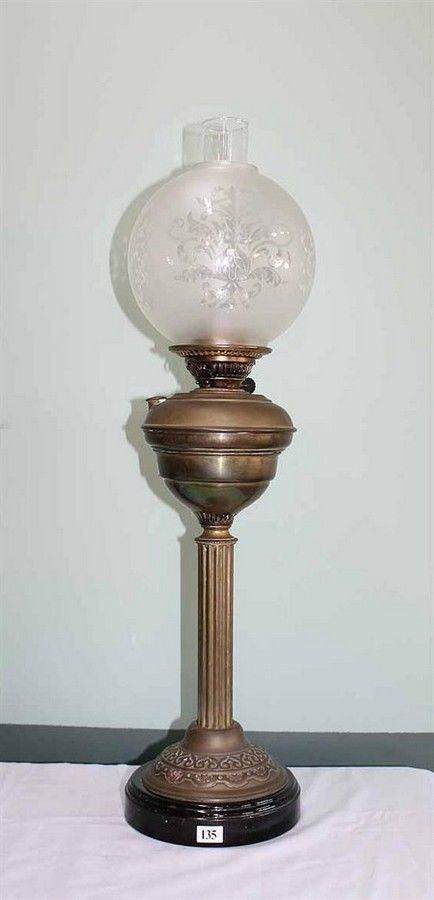
Victorian lamps changed style with each decade. Early lamps were plain and functional. Later, they featured ornate brasswork and etched glass. Floral and geometric patterns became common decorations.
By mid-Victorian times, lamps often had colored glass shades. These added beauty and softened light. The late Victorian era favored elaborate, artistic designs. Some lamps looked like small sculptures or vases.
These styles show how oil lamps became part of home decor. They moved beyond utility to express Victorian elegance.
Credit: www.carters.com.au
Key Features Of Victorian Lamps
Victorian oil lamps from 1837 to 1901 stand out for their unique design and craftsmanship. These lamps combined function with style, making them popular in many homes. Each lamp tells a story through its details and materials. Understanding their key features helps appreciate their beauty and historical value.
Decorative Elements
Victorian lamps often featured intricate decorations. Floral patterns were common, carved or painted on the lamp’s body. Some lamps had ornate metalwork with scrolls and leaves. Bright colors and gold accents added elegance. These details made each lamp a piece of art.
Common Shapes And Sizes
Victorian lamps came in many shapes and sizes. Tall, slender lamps were popular for tabletops. Shorter, rounder lamps often sat on mantels. Some lamps had wide bases for stability. Sizes varied to fit different rooms and needs. This variety allowed for both practical use and decoration.
Types Of Glass And Metalwork
Glass played a key role in Victorian lamps. Clear, frosted, and colored glass were all used. Some lamps had hand-painted glass shades. Metal parts were often made from brass or bronze. These metals were durable and added shine. The mix of glass and metal created a charming look.
Role In Victorian Society
Victorian oil lamps played a vital role in daily life from 1837 to 1901. They lit homes and streets before electricity arrived. These lamps shaped how people lived, worked, and socialized after dark.
Oil lamps were more than just light sources. They reflected social status and cultural values. Their designs influenced home decoration and comfort. Understanding their role reveals much about Victorian society.
Household Lighting Practices
Oil lamps were the main light in most Victorian homes. Families gathered around lamps for reading and talking. The lamps burned whale oil or kerosene to provide steady light. People carefully maintained lamps to keep the flame bright. Lighting was a daily task, especially during long winter nights.
Social And Cultural Significance
Oil lamps symbolized warmth and safety in the home. They made evening social events possible, like dinners and visits. Wealthier families used ornate lamps to show status. Lamps also appeared in Victorian art and literature. They represented hope and guidance in many stories.
Influence On Interior Design
Oil lamps shaped Victorian interior decoration styles. Lamp designs matched furniture and room themes. Brass, glass, and ceramic lamps added elegance and charm. Mantels and tables often displayed decorative lamps. Good lighting improved the look and feel of rooms.

Credit: www.antiquesboutique.com
Collecting And Caring For Antique Lamps
Collecting and caring for Victorian oil lamps is a rewarding hobby. These lamps reflect rich history and craftsmanship from 1837 to 1901. Proper care keeps their beauty and value intact for years. Understanding how to identify, restore, and preserve these lamps ensures they last for future generations.
Identifying Authentic Pieces
Look for maker’s marks or signatures on the lamp base or burner. Check the style and materials used; glass, brass, and fine metalwork are common. Authentic lamps often show signs of age, like slight wear or tarnish. Beware of replicas that look too new or perfect. Research lamp models and compare with trusted sources.
Restoration Tips
Clean lamps gently with soft cloths and mild soap. Avoid harsh chemicals that damage metal or glass. Replace wicks and fuel safely using original or similar parts. Fix broken glass with care or consult a professional glassworker. Restore metal parts by polishing lightly to keep original patina. Keep restorations simple to retain antique value.
Preservation Challenges
Victorian lamps face risks from rust, dust, and sunlight. Store lamps in dry, cool places away from direct light. Avoid moisture to stop metal corrosion and glass damage. Handle lamps carefully to prevent chips or cracks. Regularly check for fuel leaks or worn parts. Proper preservation keeps these lamps beautiful and safe.
Legacy And Modern Appeal
The legacy of Victorian oil lamps from 1837 to 1901 remains strong today. These lamps represent an era of elegance and practical design. Their charm and craftsmanship continue to inspire modern lighting and decor. The blend of beauty and function appeals to many who admire vintage style.
Victorian oil lamps have a timeless quality. They remind us of simpler times and warm, cozy light. This legacy influences both designers and homeowners. The lamps’ shapes, patterns, and materials are often seen in today’s homes. Their classic look fits well with modern tastes.
Inspiration For Contemporary Designs
Modern designers borrow ideas from Victorian oil lamps. They use similar shapes and details in new lamps. Glass shades, brass accents, and ornate bases appear in many collections. These elements give modern lamps a nostalgic feel. The old meets the new in creative ways. Designers keep the Victorian spirit alive with fresh designs.
Victorian Lamps In Today’s Decor
Many people add Victorian oil lamps to their home decor. They bring warmth and history to any room. Some use original lamps as display pieces. Others choose reproductions that work well with modern furniture. The soft glow of oil lamps creates a peaceful atmosphere. They fit well in living rooms, bedrooms, and dining areas.
Where To Find Vintage Lamps
Antique shops often carry genuine Victorian oil lamps. Estate sales and auctions can be good sources too. Online marketplaces have a wide range of vintage lamps. Check for lamps in good condition with original parts. Restored lamps also offer beauty and function. Collectors and decorators value these pieces for their history and style.

Credit: www.carters.com.au
Frequently Asked Questions
What Materials Were Used In Victorian Oil Lamps?
Victorian oil lamps were made from brass, glass, and sometimes ceramic. These materials made lamps durable and decorative.
How Did Victorian Oil Lamps Work For Lighting?
They burned oil, usually whale or kerosene oil, using a wick to produce a steady flame for light.
Why Are Victorian Oil Lamps Collectible Today?
Their antique design and historical value make them popular among collectors and vintage home decorators.
Conclusion
Victorian oil lamps tell stories of life long ago. They lit homes before electricity arrived. Designs changed as time passed, showing style and skill. These lamps still hold charm and history today. Collectors and history fans enjoy their simple beauty.
Learning about them helps us appreciate old times. Their warm glow reminds us of quiet evenings past. Victorian oil lamps remain a link to history’s light.

