
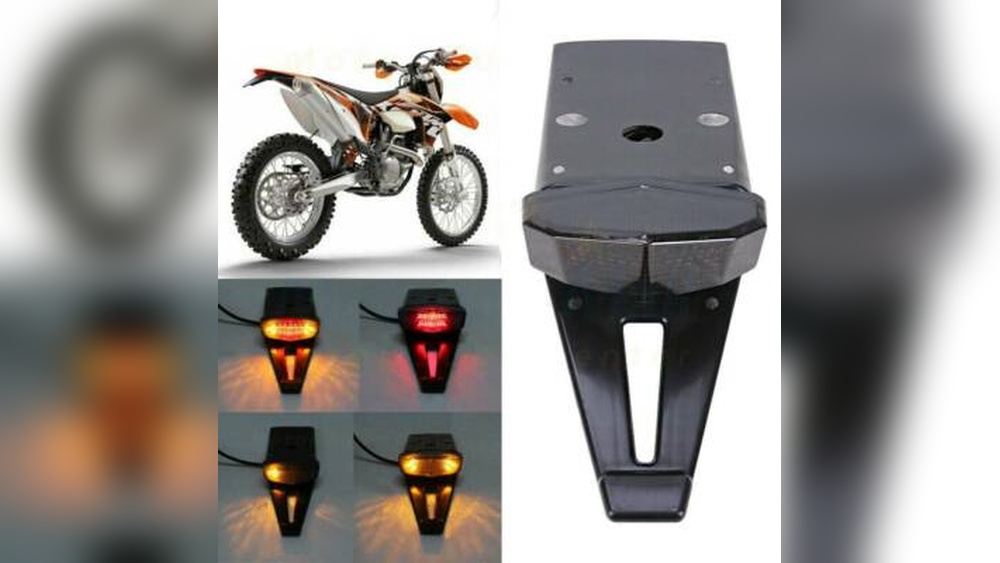
When was the last time you checked your motorcycle’s brakes and lamps? These small parts play a huge role in keeping you safe on the road.
Imagine riding at night or in heavy traffic—your brake system and lights are what protect you from accidents. If they fail, the results can be dangerous. You’ll learn simple but powerful tips to inspect your motorcycle’s brakes and lamps. By the end, you’ll feel confident that your bike is ready for the road, every time you ride.
Motorcycle Brake And Lamp Inspection
Credit: furgersons.com
Brake System Basics
The brake system is one of the most important safety features on a motorcycle. It helps you stop quickly and avoid accidents. Understanding the basics of the brake system can keep you safe on the road. This section explains the main types of motorcycle brakes and their key parts.
Types Of Motorcycle Brakes
Motorcycles usually have two types of brakes: disc brakes and drum brakes. Disc brakes are common on modern bikes. They use a metal disc and brake pads to slow the wheel. Drum brakes are older but still found on some models. They use brake shoes inside a drum to create friction and stop the bike.
Disc brakes offer better stopping power and work well in wet conditions. Drum brakes are simpler and cheaper but less effective. Many motorcycles use disc brakes on the front wheel and drum brakes on the rear.
Key Brake Components
The brake system has several important parts. The brake lever or pedal controls the brakes. When pressed, it sends force through the brake lines. These lines carry brake fluid to the brake caliper or wheel cylinder.
The caliper holds the brake pads and presses them against the disc. The pads create friction to slow the wheel. In drum brakes, brake shoes push outward against the drum to stop the bike.
Brake fluid is vital. It transfers force from the lever to the brakes. Keeping the fluid clean and at the right level is key for good brake performance.
Credit: www.ebay.com
Signs Of Brake Wear
Brake wear is a common problem for motorcycle riders. It can affect safety and control on the road. Recognizing early signs helps avoid accidents and costly repairs.
Regular inspection of brakes ensures they work well every time you ride. Knowing what to watch for can keep your motorcycle safe.
Unusual Noises
Squealing or grinding sounds often mean brake pads are worn out. These noises happen when metal parts rub together. Ignoring these sounds can cause more damage.
Listen carefully while braking. Any strange noise should prompt a brake check. It could save your brakes from serious harm.
Reduced Brake Performance
If your brakes feel weak or take longer to stop, wear is likely the cause. This reduces your ability to control the motorcycle. It also increases stopping distance.
Soft or spongy brake levers point to worn brake pads or fluid issues. Immediate attention helps restore brake power and keeps you safe.
Lamp Inspection Checklist
Checking your motorcycle’s lamps is vital for safe rides. A lamp inspection checklist helps ensure all lights work well. Proper lighting keeps you visible and signals your actions to others.
Use this checklist to inspect each lamp carefully. Replace any bulb that is dim or not working. Clean the lenses to avoid light blockage. This simple routine can prevent accidents and fines.
Headlights And Taillights
Start with the headlights. Turn them on and check both low and high beams. Make sure the light is bright and steady. A weak or flickering headlight needs new bulbs or wiring checks.
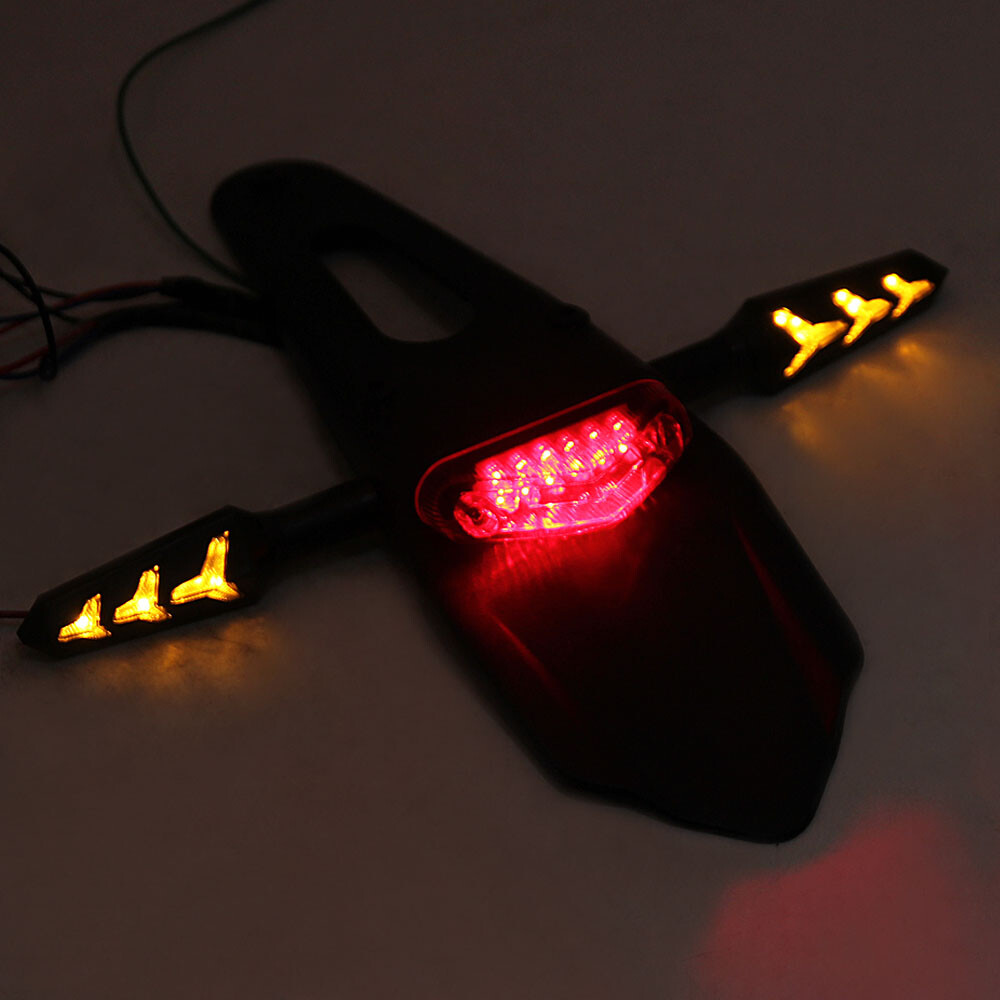
Next, inspect the taillights. They should glow red and stay bright when the bike runs. This helps other drivers see you from behind, especially at night. Clean any dirt or moisture on the lenses.
Turn Signals And Brake Lights
Test the turn signals by activating each side. Each light must flash at a steady pace. Broken signals confuse other drivers and increase crash risks.
Press the brake and check the brake light. It should light up instantly and clearly. A faulty brake light can cause accidents by not warning drivers behind you. Replace bulbs or check wiring if needed.
Step-by-step Inspection Process
Inspecting your motorcycle’s brakes and lamps is vital for safety. This step-by-step process helps catch problems early. It keeps your bike roadworthy and you safe. Follow these simple steps to check your bike thoroughly.
Visual Checks
Start by looking at the brake components closely. Check brake pads for wear or damage. Look for cracks or leaks in brake lines. Inspect the brake discs for deep grooves or rust. Next, examine all lamps—headlight, tail light, and indicators. Ensure bulbs are not broken or burnt out. Look for cracks or dirt on the lamp covers. Clean any dirt or dust that may block light. Make sure wires and connectors are secure and not frayed.
Functional Tests
Turn on the motorcycle’s ignition to test lamps. Check if the headlight shines bright and steady. Activate the turn signals to see if they blink correctly. Test the brake light by pressing the brake lever or pedal. It should light up immediately and brightly. Check the brake’s feel by squeezing the brake lever. The lever should feel firm, not spongy or loose. If brakes feel soft, air or fluid problems may exist. Make sure the brakes stop the motorcycle smoothly during a slow test ride.
Maintenance Tips For Safety
Maintaining your motorcycle’s brakes and lamps is essential for safe rides. Proper care helps avoid accidents and ensures your bike works well. Regular checks keep you alert on the road and prevent costly repairs later.
Regular Cleaning
Clean brakes and lamps often to remove dust and dirt. Dirt can block light and reduce brake power. Use a soft cloth and mild soap for cleaning. Avoid harsh chemicals that may damage parts. Clean parts last longer and work better.
Timely Repairs And Replacements
Fix broken lamps or worn brake pads quickly. Damaged parts can fail when you need them most. Replace bulbs that flicker or don’t light up. Check brake pads for wear and change them if thin. Timely action keeps your motorcycle safe to ride.
Credit: eatauto.com
Frequently Asked Questions
How Often Should I Inspect Motorcycle Brakes And Lamps?
Check brakes and lamps before every ride to ensure safety and proper function.
What Are Common Signs Of Brake Problems On Motorcycles?
Squeaking, reduced stopping power, or a soft brake lever signal brake issues.
Why Is Regular Lamp Inspection Important For Motorcycles?
Working lamps improve visibility and prevent accidents, especially in low light.
Conclusion
Regular brake and lamp checks keep your motorcycle safe on roads. Good brakes help you stop quickly and avoid accidents. Bright lamps make sure others see you clearly at night. Small inspections prevent big problems later. Take a few minutes before each ride to check these parts.
Staying alert and prepared protects both you and others. Safe riding starts with simple, routine checks. Keep your motorcycle in top shape by inspecting brakes and lamps often. Safety matters every time you ride.

