
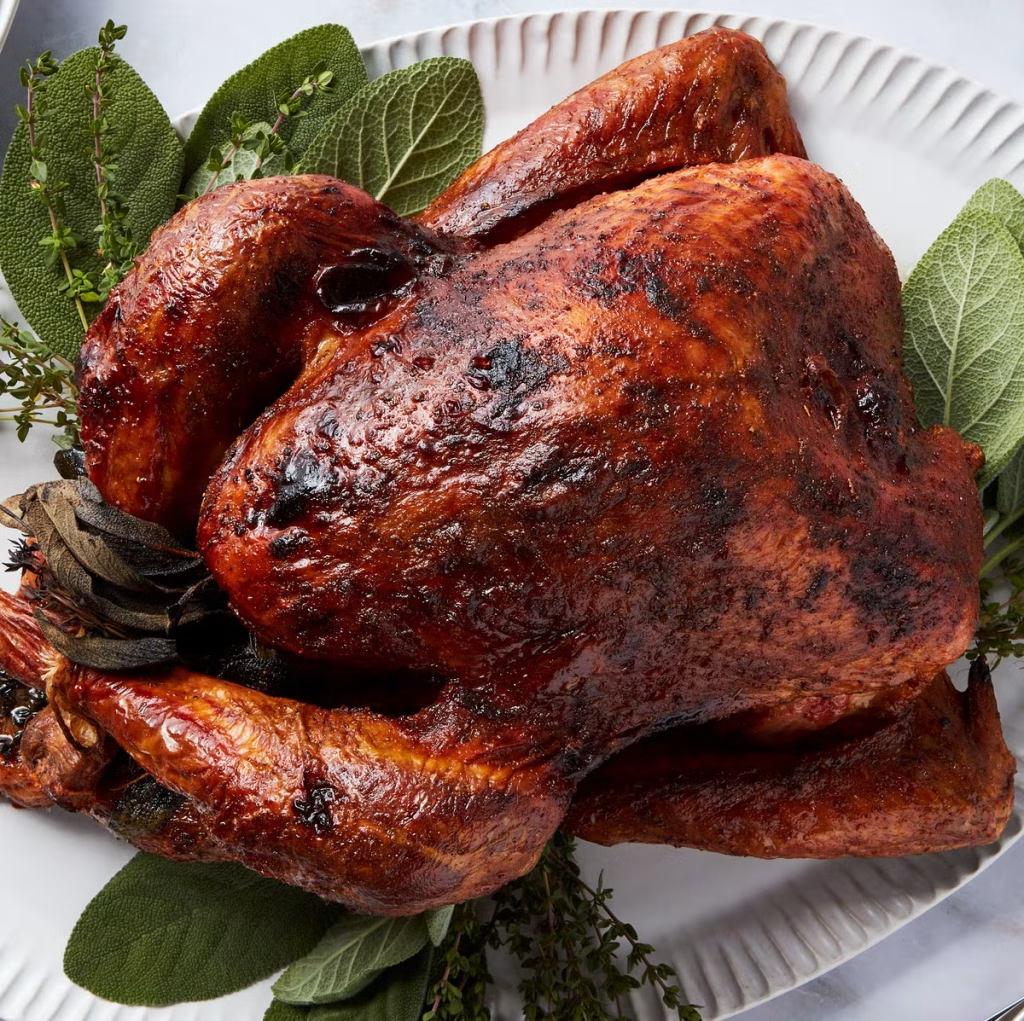
Why Slow Cook A Turkey
Slow cooking a turkey in the oven is a fantastic way to get incredibly tender and moist meat. This method helps break down the tough connective tissues in the turkey, making it super juicy. It also cooks the turkey more evenly, reducing the chances of dry breast meat and undercooked dark meat.
This gentle cooking process is perfect for anyone who wants a delicious, fuss-free turkey without the stress.
Choosing Your Turkey
Before you even think about putting it in the oven, you need the right bird.
Fresh vs. Frozen
Fresh turkeys are ready to go as soon as you bring them home. They haven’t been frozen, so they might have a slightly better texture. Frozen turkeys are more widely available and often cheaper.
The main difference is defrosting time for frozen birds. Make sure to factor in enough time for this if you choose frozen.
Size Matters
Think about how many people you’re feeding. A good rule of thumb is 1 to 1.5 pounds of turkey per person. This allows for seconds and some leftovers.
For slow cooking, it’s often better to choose a slightly smaller turkey (around 12-15 pounds) as larger birds can be harder to cook evenly with this method.
Prep Work For Slow Cooking
Getting your turkey ready is key to a great slow-cooked meal.
Thawing Your Turkey (If Frozen)
This is a crucial step if you have a frozen turkey. The safest way to thaw is in the refrigerator. Allow about 24 hours for every 4-5 pounds of turkey.
So, a 16-pound turkey will need about 4 days to thaw completely. Never thaw a turkey at room temperature, as this can encourage bacteria growth.
Prepping the Bird
Once thawed (or if you have a fresh turkey), remove the giblets and neck from the cavities. Rinse the turkey inside and out with cold water and pat it very dry with paper towels. Getting it dry is important for crispy skin, even though we are slow cooking.
Seasoning and Flavor
This is where you add your personal touch!
- Brining (Optional but Recommended): A brine, either a salt-water solution or a dry rub of salt and herbs, can add incredible moisture and flavor. For a wet brine, you’ll need a large container or a brining bag.
For a dry brine, rub salt, pepper, and your favorite herbs (like rosemary, thyme, and sage) all over the turkey, including under the skin. Let it dry brine in the fridge for at least 24 hours.
- Rubs and Spices: If you skip brining, a good rub is essential. Mix softened butter or olive oil with salt, pepper, garlic powder, onion powder, and any herbs you like.
Rub this mixture all over the turkey and gently work some under the skin of the breast and thighs.
- Aromatics Inside the Cavity: Stuff the main cavity with aromatics like chopped onion, celery, carrots, garlic cloves, and fresh herbs. This will infuse moisture and flavor into the turkey as it cooks.
Trussing (Optional)
Trussing means tying the turkey legs together and tucking the wing tips under the body. This helps the turkey cook more evenly and gives it a neater presentation. You can use kitchen twine for this.
How To Slow Cook A Turkey In The Oven
Now for the main event! This method focuses on a lower oven temperature for a longer period.
Oven Temperature and Time
The key to slow cooking is a low and slow temperature.
- Temperature: Set your oven to 300-325 degrees Fahrenheit (150-160 degrees Celsius). A lower temperature allows the turkey to cook through gently without drying out.
- Cooking Time: This varies greatly depending on the size of your turkey.
A general guideline is about 15-20 minutes per pound at 300-325°F. However, the best way to know if your turkey is done is by using a meat thermometer.
Roasting Pan and Rack
Place the prepared turkey on a rack in a roasting pan. The rack allows air to circulate around the turkey, helping it cook evenly and preventing the bottom from getting soggy. If you don’t have a rack, you can create a makeshift one with thick slices of onion and celery.
Basting (Optional but Helpful)
Basting means spooning pan juices over the turkey as it cooks. This helps keep the skin moist and can add flavor. You can baste every 30-45 minutes.
If you’ve used butter in your rub, the pan juices will be extra flavorful.
Checking for Doneness
This is the most important part! You need to use a meat thermometer to ensure your turkey is safely cooked.
- Insert the thermometer into the thickest part of the thigh, making sure it doesn’t touch the bone.
- The turkey is done when the internal temperature reaches 165 degrees Fahrenheit (74 degrees Celsius).
- You can also check the breast meat; it should also reach 165°F.
Resting the Turkey
Once your turkey reaches the correct temperature, remove it from the oven. Tent it loosely with aluminum foil and let it rest for at least 20-30 minutes (or even longer for a larger bird). This resting period is critical!
It allows the juices to redistribute throughout the meat, resulting in a much more succulent turkey. If you cut into it too soon, all those delicious juices will run out onto the cutting board.
Tips for a Perfect Slow Cooked Turkey
Follow these extra tips to make your slow-cooked turkey shine.
Don’t Overcrowd the Oven
Make sure there’s enough space around the turkey for air to circulate. If you’re cooking other dishes, plan your oven space accordingly.
Shielding the Breast
The breast meat cooks faster than the dark meat. If you notice the breast is browning too quickly or seems like it’s drying out, you can loosely tent it with aluminum foil during the last hour of cooking.
Using a Roasting Bag
A roasting bag can create a steamy environment that keeps the turkey very moist. If you use a bag, follow the package directions carefully. You might need to adjust cooking time slightly.
Adding Liquid to the Pan
Pour about a cup of chicken broth, water, or white wine into the bottom of the roasting pan. This helps create steam and keeps the drippings from burning, which makes for a better gravy.
Carving
After resting, carve the turkey. Start by removing the legs and thighs, then slice the breast meat. Arrange it nicely on a platter.
Troubleshooting Common Issues
Even with slow cooking, a few things can go awry.
Dry Turkey
This can happen if the turkey is overcooked or not rested properly. Make sure to use a thermometer and rest the bird. Brining also helps prevent dryness.
Uneven Cooking
Ensure your oven temperature is accurate. If you have hot spots, consider rotating the pan halfway through cooking. Trussing can also help with even cooking.
Skin Not Crispy
Slow cooking at a lower temperature often results in softer skin. If you want crispy skin, you can increase the oven temperature to 400-425°F (200-220°C) for the last 20-30 minutes of cooking, watching closely to prevent burning.
Frequently Asked Questions
Question: What is the best temperature to slow cook a turkey in the oven?
Answer: A temperature between 300°F and 325°F (150°C to 160°C) is ideal for slow cooking a turkey in the oven.
Question: How long does it take to slow cook a turkey per pound?
Answer: A general guideline is 15-20 minutes per pound at 300-325°F, but always rely on a meat thermometer for accuracy.
Question: Do I need to baste a turkey when slow cooking?
Answer: Basting is optional but recommended. Spooning pan juices over the turkey every 30-45 minutes helps keep it moist and adds flavor.
Question: How do I know when my slow-cooked turkey is done?
Answer: Use a meat thermometer. The thickest part of the thigh should reach 165°F (74°C), and the breast meat should also reach 165°F.
Question: Why is resting a slow-cooked turkey so important?
Answer: Resting allows the juices to redistribute throughout the meat, making it more tender and moist. Cut too soon, and the juices will escape, leaving dry turkey.
Final Thoughts
Mastering how to slow cook a turkey in the oven opens up a world of easy, delicious holiday meals. You’ve learned how to prep, season, and cook your turkey gently for maximum moisture. Remember to use that thermometer and give your bird time to rest.
You’ll impress everyone with a perfectly cooked, incredibly juicy turkey that was simple to make. Enjoy your flavorful feast!
