
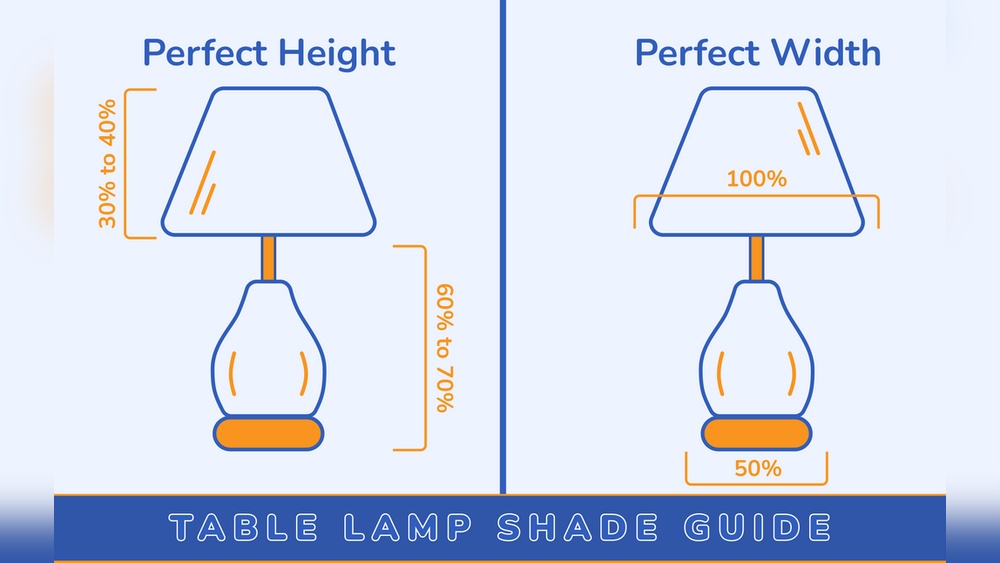
How to pick lamp shade size? Choose a lamp shade that is about two-thirds the height of the lamp base and wider than the widest part of the base. Ensure the shade hides the socket when seated and leaves enough space for ventilation. Match the shape to the lamp’s style for balanced proportions.
Choosing the right lamp shade size can completely change the look and feel of your room. If your lamp shade is too big, it can overwhelm your space.
If it’s too small, it might look awkward and cheap. You want a shade that fits perfectly and highlights your lamp’s style. In this guide, you’ll learn simple steps to pick the ideal lamp shade size for your home. Keep reading to discover how easy it is to make your lamp shine just right.
How to Pick Lamp Shade Size?
Choosing The Right Lamp Base
The lamp base plays a key role in selecting the perfect lampshade size. A well-matched base and shade create a balanced, stylish look. The base’s height and width affect how the shade will look and function. Understanding the base helps pick a shade that fits well and looks good.
Consider the shape and style of the base. A tall, slender base suits a taller shade. A short, wide base pairs best with a broader shade. The base should support the shade without looking too small or too large.
The Height Of The Lamp Base
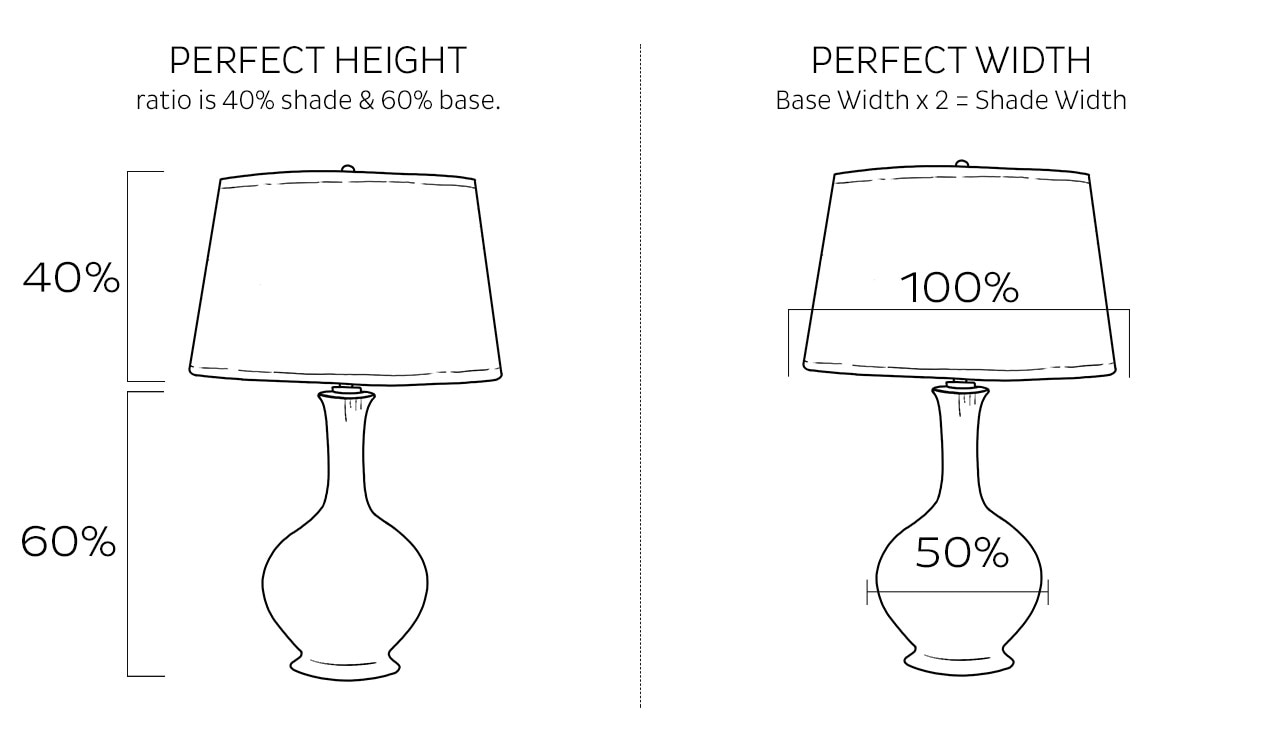
Measure the lamp base height before choosing a shade. The shade height should be about two-thirds the height of the base. A short base needs a shorter shade to keep balance. A taller base calls for a taller shade for good proportion.
The Width Of The Lamp Base
Check the base width to find a matching shade width. The bottom of the shade should be wider than the base. Usually, the shade’s bottom diameter is one and a half times the base width. This helps the lamp look stable and well-proportioned.
The Style Of The Lamp Base
Match the shade style to the base design. Classic bases look best with traditional shades. Modern bases pair well with sleek, simple shades. A bold base can handle a simple shade to avoid clashing styles.
:max_bytes(150000):strip_icc()/SL_9TypesofLampShades_IllustrationByKaileyWhitman-9655805cdc2b4867b31360af53aac15d.png)
Credit: www.southernliving.com
Measuring Lamp Shade Dimensions
Measuring lamp shade dimensions is an important step in choosing the right size. A proper fit makes the lamp look balanced and stylish. It also helps the light spread evenly in the room. Simple tools like a tape measure can help you get accurate results.
Start by understanding the main parts of the lamp shade to measure. This makes the process clear and easy. Focus on width, height, and the opening size. These dimensions guide you to find a shade that suits your lamp base and room decor.
Measuring The Width Of The Lamp Shade
Measure the width at the bottom edge of the shade. This is the widest part and affects how much light spreads. Use a tape measure to get the exact number in inches or centimeters. The width usually matches the lamp base size for balance.
Determining The Height Of The Lamp Shade
The height is the distance from the top edge to the bottom edge. Measure straight down the side of the shade. This height affects how the light shines. A taller shade gives softer light, while a shorter one focuses light downwards.
Checking The Top And Bottom Opening Sizes
Measure both the top and bottom openings of the lamp shade. The top opening fits around the lamp’s bulb holder or harp. The bottom opening allows light to come out and affects the lamp’s look. Accurate measurement ensures the shade fits your lamp securely.
Matching Shade Shape To Lamp Style
Choosing the right lamp shade shape helps your lamp look balanced and stylish. The shape of the shade should fit the lamp base. This match creates a pleasing look and improves light direction. Different lamps suit different shade shapes. Understanding the best pairings improves your room’s decor.
Matching Drum Shades With Modern Lamps
Drum shades have straight sides and a simple look. They fit well with modern and minimalist lamp bases. The clean shape keeps focus on the lamp’s design. Drum shades spread light evenly, making rooms bright and cozy.
Pairing Empire Shades With Traditional Lamps
Empire shades are wider at the bottom and narrower at the top. They suit classic and traditional lamp bases. This shape softens the lamp’s look and directs light downward. Empire shades add warmth and charm to any space.
Using Bell Shades For Elegant Lamps
Bell shades curve outward like a bell. They work well with ornate or vintage lamp bases. The graceful shape adds softness and style. Bell shades create a welcoming, elegant atmosphere.
Choosing Square Shades For Geometric Lamps
Square shades match square or angular lamp bases. They offer a bold and modern appearance. This shape adds structure and interest to the lamp. Square shades work best in contemporary or industrial rooms.

Credit: threebearshomestaging.com
Considering Room Scale And Placement
Choosing the right lampshade size depends a lot on the room’s size and where the lamp will sit. The room’s scale affects how big or small the lampshade should be. The placement of the lamp also changes what size works best. Both factors help create balance and style in your space.
Understanding Room Size
Small rooms need smaller lampshades. Large lampshades can overpower tight spaces. Big rooms allow for larger shades that fill the area well. Think about how the lampshade looks next to furniture and walls. It should not feel too big or too small.
Considering Ceiling Height
Low ceilings call for shorter lampshades. Tall ceilings can handle taller or wider shades. The lampshade should not block sight lines or feel crowded. Keep the shade proportionate to the height of the room.
Placement Of The Lamp
Table lamps on small tables need smaller shades. Floor lamps next to sofas or chairs can have bigger shades. Lamps on desks or nightstands should not take too much space. The shade should match the lamp base size and the surface size.
Balance With Furniture
The lampshade size should match nearby furniture size. Big sofas or beds need larger lampshades. Small chairs or side tables need smaller shades. This balance helps the room feel calm and well designed.
Balancing Light And Aesthetics
Choosing the right lamp shade size means balancing light and looks. The lamp shade should give enough light to the room. At the same time, it should match the lamp and the space. The right size helps the lamp shine and look good.
Understanding Light Distribution
The size of the lamp shade affects how light spreads. A big shade lets out soft, wide light. A small shade focuses light in one spot. Think about the room’s needs. Use a larger shade for general lighting. Use a smaller shade for reading or tasks.
Matching Shade Size To Lamp Base
The lamp shade should fit well with the lamp base. If the shade is too big, it looks heavy and awkward. If it’s too small, the lamp looks off balance. Choose a shade about two-thirds the height of the lamp base. Width should be wider than the widest part of the base.
Considering Room Size And Style
Big rooms need bigger shades to fill the space. Small rooms need smaller shades to avoid crowding. The style of the shade matters too. Simple styles fit modern rooms. Detailed styles work well in classic spaces. Choose a shade that fits the room’s look and size.
Credit: www.ballarddesigns.com
Frequently Asked Questions
What Is The Ideal Height For A Lamp Shade?
The lamp shade height should be about two-thirds the height of the lamp base.
How Wide Should A Lamp Shade Be?
Choose a shade width roughly equal to the height of the lamp base for balance.
Can Lamp Shade Size Affect Room Lighting?
Yes, larger shades spread more light; smaller shades focus light in one area.
Conclusion
Choosing the right lamp shade size makes a big difference in your room. A well-sized shade balances the lamp and fits your space. Measure your lamp carefully before buying a shade. Remember, the shade should match the lamp base height and width.
Small details, like shape and color, also matter. Take your time to find the perfect fit. A good lamp shade adds style and better light. Brighten your room with the right choice. Simple steps lead to great results.

