
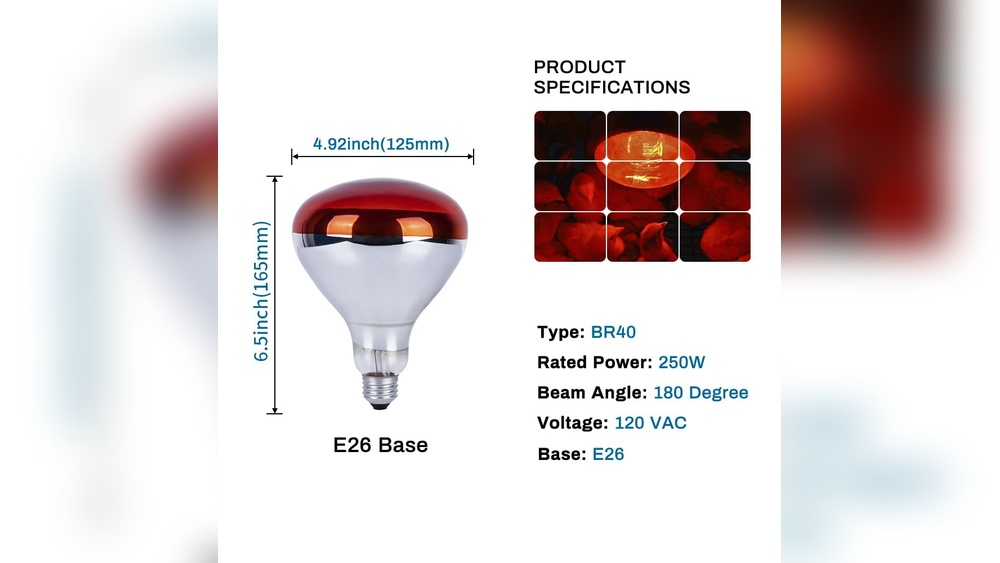
How many watts is a heat lamp? A heat lamp typically ranges from 125 to 250 watts, depending on the model and purpose. Common reptile, poultry, and space-heating heat lamps usually fall within this range. Always check the manufacturer’s label to confirm the exact wattage for safe and proper use.
Are you wondering how many watts a heat lamp uses and what that means for your space? Choosing the right wattage can make all the difference in keeping your room warm and comfortable without wasting energy.
Whether you’re heating a small area or a larger space, understanding heat lamp wattage helps you make smarter, cost-effective decisions. Keep reading to discover exactly how many watts you need and why it matters for your comfort and budget.
How Many Watts is a Heat Lamp?

Credit: www.amazon.com
Heat Lamp Wattage Basics
Heat lamps provide warmth using electric power measured in watts. Understanding wattage helps choose the right heat lamp for your needs. Wattage affects the lamp’s heat output and energy use.
Heat lamps come in different wattages. Common sizes range from 100 watts to 250 watts. Higher wattage means more heat and higher electricity costs.
What Does Wattage Mean For Heat Lamps?
Wattage shows how much power a heat lamp uses. It also indicates how much heat it produces. A 250-watt lamp gives off more heat than a 100-watt lamp. Wattage helps match the lamp to the space size.
Choosing The Right Wattage
Pick a wattage based on the area you want to heat. Small spaces need low wattage lamps. Large spaces need higher wattage lamps. Too much wattage can waste energy and cause overheating.
Energy Use And Cost
Higher wattage lamps use more electricity. This raises your energy bill. Using the correct wattage saves money. It also keeps your space comfortable without extra costs.
Common Watt Ratings For Heat Lamps
Heat lamps come in different watt ratings. These ratings tell you how much power the lamp uses. Knowing the watt rating helps you choose the right lamp for your needs. It affects the heat level and energy use. Common watt ratings suit various tasks and spaces.
100 Watt Heat Lamps
100 watt heat lamps are popular for small spaces. They provide gentle warmth without high energy use. These lamps work well for pets or small plants. They keep areas cozy without overheating.
150 Watt Heat Lamps
150 watt lamps offer medium heat output. They suit medium-sized areas and tasks needing moderate warmth. These lamps are common in workshops or greenhouses. They balance heat and energy efficiency well.
250 Watt Heat Lamps
250 watt heat lamps deliver strong heat. They work best in larger spaces or colder conditions. These lamps help keep animals warm in barns or outdoor areas. They consume more power but give higher heat levels.
Factors Affecting Heat Lamp Power Needs
Choosing the right wattage for a heat lamp depends on several factors. These affect how much power the lamp must use to keep the area warm.
Understanding these factors helps pick a lamp that works well and saves energy. Each situation has different needs based on the environment and purpose.
Room Size And Space
Larger rooms need heat lamps with higher wattage. More space means more heat is required to warm the whole area.
Small spaces need less power to keep warm. Matching the lamp’s wattage to room size ensures effective heating.
Insulation Quality
Good insulation keeps heat inside the room. This lowers the wattage needed from the heat lamp.
Poor insulation lets heat escape fast. This requires a stronger lamp to maintain warmth.
Purpose Of The Heat Lamp
Heat lamps serve different purposes. For example, warming animals needs less wattage than heating a large workshop.
The goal determines how much heat power the lamp should provide. Choose wattage based on what the lamp will do.
Ambient Temperature
Colder environments need heat lamps with more watts. The lamp must work harder to raise the temperature.
Mild climates require less power. The lamp only needs to add a small amount of warmth.
Distance From Heat Source
The farther the heat lamp is from the target area, the more watts it needs. Heat spreads out and loses strength with distance.
Placing the lamp closer means less wattage is necessary. This helps save energy and increases efficiency.

Credit: www.reddit.com
Energy Efficiency And Heat Lamps
Heat lamps use electricity to create warmth. Their power is measured in watts. Understanding energy efficiency helps save electricity and money. It also reduces environmental impact. Choosing the right heat lamp wattage matters for efficient heating.
Efficient heat lamps produce more heat with less power. This means they use fewer watts to warm a space. Less energy use means lower electricity bills. It also means less waste heat and less strain on your power source.
What Does Wattage Mean For Heat Lamps?
Wattage shows how much power a heat lamp uses. A higher wattage means more electricity and more heat. Lower wattage means less power and less heat. Matching wattage to your needs avoids wasting energy.
How To Choose Energy-efficient Heat Lamps
Pick lamps with good heat output for their wattage. Look for products labeled energy-efficient or low watt consumption. LED heat lamps often use less power than traditional ones. Check the lamp’s specifications to compare energy use.
Benefits Of Using Energy-efficient Heat Lamps
Energy-efficient lamps save money on electric bills. They last longer, so you replace them less often. They produce less heat loss, keeping warmth focused. This improves comfort and lowers energy waste.
Choosing The Right Wattage For Your Space
Choosing the right wattage for your heat lamp matters a lot. It controls how warm your space gets. Too much power wastes energy and can be unsafe. Too little power won’t heat enough. Finding the right balance helps you stay comfortable and save money.
Think about the size of the area. A small space needs less wattage. A big room needs more watts to spread heat evenly. Also, consider how cold the place usually is. Colder rooms need stronger lamps.
Assessing Room Size And Heat Needs
Measure your room size in square feet. Small rooms under 50 sq ft may use 100 to 150 watts. Medium rooms from 50 to 150 sq ft might need 150 to 250 watts. Large rooms over 150 sq ft often require 250 watts or more. This helps heat spread well.
Considering Ceiling Height And Insulation
Tall ceilings need higher wattage. Heat rises, so more power keeps warmth near people. Poor insulation causes heat loss. You need stronger lamps to balance this. Good insulation lowers wattage needs and cuts costs.
Matching Wattage To Lamp Type
Different heat lamps have various wattage ranges. Infrared lamps use 150 to 250 watts usually. Ceramic heat lamps often run from 100 to 250 watts. Choose wattage suited for your lamp style and space size. Check product details before buying.

Credit: blog.meyerhatchery.com
Frequently Asked Questions
How Many Watts Does A Typical Heat Lamp Use?
Most heat lamps use between 100 to 250 watts, depending on the size and purpose.
Can Wattage Affect The Warmth Of A Heat Lamp?
Yes, higher wattage heat lamps produce more heat and can warm larger areas better.
What Wattage Is Best For Indoor Pet Heat Lamps?
A 125 to 150 watt heat lamp is usually ideal for keeping pets warm indoors.
Conclusion
Heat lamps usually range between 100 and 250 watts. Choosing the right wattage depends on your needs. Higher watts produce more heat but use more energy. Lower watts work well for small spaces or gentle warmth. Always check the lamp’s specifications before buying.
Using the correct wattage keeps your space safe and warm. Remember, simple choices can make a big difference. Heat lamps help keep things cozy without wasting power. Understanding watts helps you pick the best lamp easily.

