
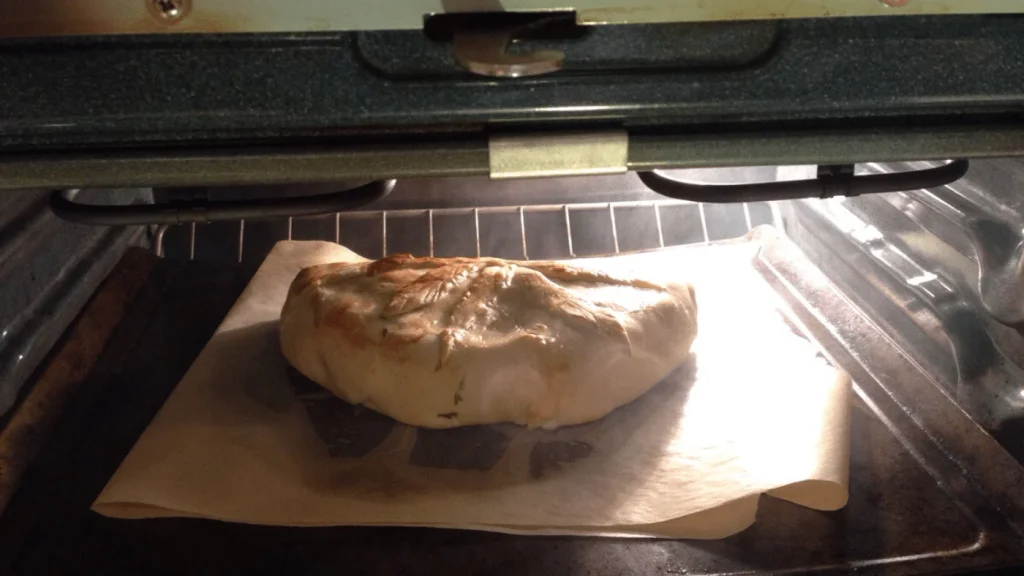
Figuring out Can Baking Paper Catch Fire Heat Limits And Safe Use can feel a little tricky when you’re new to baking. You want to make sure your treats turn out perfectly without any smoky surprises in your kitchen. It’s a common question that pops up when you’re getting your baking game on.
Don’t worry, it’s simpler than it sounds! We’ll walk through exactly what you need to know to use your baking paper safely and effectively, so you can bake with confidence.
Understanding Baking Paper and Heat
Baking paper, also known as parchment paper, is a popular kitchen tool. It helps prevent food from sticking to baking sheets. It’s coated with silicone, making it non-stick.
But a common worry is whether this paper can actually catch fire. This concern often comes up when people are using high oven temperatures or leaving the paper in the oven for too long. Knowing the limits of baking paper is key to safe cooking.
What is Baking Paper Made Of
Baking paper is typically made from cellulose pulp, which is processed to make it stronger and smoother. The key feature is its coating. This coating is usually silicone.
Silicone is heat-resistant and creates the non-stick surface. It’s this coating that allows the paper to withstand hot ovens without sticking to your food. The paper itself is made from natural materials, but the silicone layer is what gives it its special properties for baking.
How Heat Affects Baking Paper
Ovens get very hot, and baking paper has a temperature limit. When it goes above this limit, it can start to break down. This breakdown can lead to smoking.
If the temperature gets high enough, or if the paper is exposed to direct heat for a long time, it can ignite. The silicone coating helps resist heat, but it’s not indestructible. Understanding these limits helps you use it safely.
Heat Limits of Baking Paper
The exact heat limit for baking paper can vary slightly between brands. However, most standard baking papers are safe to use up to around 425 to 450 degrees Fahrenheit (220 to 230 degrees Celsius). This temperature range covers most common baking needs, from cookies to cakes to roasting vegetables.
If your recipe calls for temperatures higher than this, you might need to reconsider using baking paper or use it with extreme caution.
Common Temperature Ranges for Baking
Most cookies bake between 325°F and 375°F (160°C to 190°C). Cakes often bake around 350°F (175°C). Roasting vegetables typically happens between 400°F and 425°F (200°C to 220°C).
These temperatures are generally well within the safe limits of baking paper. The problems usually arise when using the broiler or in ovens that run hotter than their set temperature.
What Happens When You Exceed the Limit
When baking paper gets too hot, it can start to smoke. This is the silicone coating and the paper itself beginning to degrade. The smoke can make your kitchen smell unpleasant and set off smoke alarms.
If the heat continues or is very intense, the paper can char and eventually catch fire. This is rare with normal baking but can happen if the paper touches a heating element or if the oven temperature is extremely high, like in a self-cleaning cycle.
Safe Use of Baking Paper
Using baking paper safely is mostly about common sense and following recipe guidelines. The goal is to keep the paper away from direct heat sources and within its recommended temperature range. Proper placement on the baking sheet is also important to avoid it becoming a hazard.
Proper Placement on Baking Sheets
Always place baking paper flat on your baking sheet. Do not let it hang over the edges where it could come into contact with the oven’s heating elements. If the paper is too large and folds over itself, it can create hotter spots and increase the risk of burning.
Trim it to fit the baking sheet or fold it neatly underneath the sheet itself.
Avoiding Direct Heat Contact
The biggest risk is the baking paper touching the direct heat source in your oven. This is usually the heating element at the bottom or top of the oven. Ensure your baking sheet is positioned in the center of the oven, away from these elements.
If you are using a convection oven, the air circulates more, which can sometimes cause the paper to shift. You might need to weigh down the corners with food or use a heavier baking sheet.
When NOT to Use Baking Paper
There are specific situations where you should avoid using baking paper. These include:
Using the broiler function of your oven. Broilers produce very intense, direct heat that will quickly scorch and ignite the paper.
Running your oven’s self-cleaning cycle. These cycles reach extremely high temperatures, far beyond what baking paper can withstand, and will cause it to burn and smoke heavily. When a recipe specifically states not to use it or calls for temperatures significantly above 450°F (230°C).
Using Baking Paper for High-Heat Roasting
If you are roasting foods at high temperatures, generally between 400°F and 450°F (200°C to 230°C), baking paper is usually fine. However, always monitor your food and the paper. Make sure the paper is not nearing the heating elements.
For temperatures much above 450°F, it is safer to grease and flour your baking sheet or use a silicone baking mat, which is designed for higher heat.
Can Baking Paper Catch Fire Reusable?
Baking paper is designed for single use. While it might look clean after one use, repeated exposure to heat and grease can degrade its coating and paper fibers. Reusing it can increase the risk of sticking or burning.
It’s best to use a fresh sheet for each baking session to ensure safety and optimal performance.
Alternative to Baking Paper
If you’re concerned about baking paper or don’t have any on hand, there are alternatives. Silicone baking mats (silpats) are a popular choice. They are reusable and can withstand higher temperatures than baking paper.
Greasing and flouring your baking sheet is a traditional method that works well for many recipes. Aluminum foil can also be used, but it can sometimes cause foods to brown too quickly.
Comparing Baking Paper and Silicone Mats
| Feature | Baking Paper | Silicone Baking Mat |
|---|---|---|
| Heat Resistance | Up to 425-450°F (220-230°C) | Often up to 500°F (260°C) |
| Reusability | Single use | Many uses |
| Non-stick | Very good | Excellent |
| Disposal | Disposable | Reusable, washable |
| Cost | Low per sheet, but ongoing | Higher initial cost, but long-term savings |
Choosing between baking paper and silicone mats often depends on your baking frequency and the types of recipes you make. For occasional baking, paper is convenient. For frequent bakers, a silicone mat offers a more sustainable and cost-effective solution.
Dealing with Smoked Baking Paper
If your baking paper starts to smoke, don’t panic. The first step is to identify the cause. Is the oven temperature too high?
Is the paper too close to a heating element? Is it old or damaged?
Immediate Steps to Take
If you see smoke coming from the oven, turn off the oven immediately. Open the oven door cautiously to let the smoke escape. Do not try to remove the smoking pan while the oven is on, as this can fan the flames if a fire has started.
Let the oven cool down completely before inspecting the baking paper.
When to Worry About a Fire
A little bit of smoke from very hot oil or food itself is normal. However, if the smoke is thick, dark, and persistent, and it seems to be coming directly from the baking paper, that’s a sign of a bigger problem. If you see actual flames, you need to act fast.
Close the oven door quickly to cut off oxygen and turn off the oven. If the fire is small and contained within the oven, it should go out on its own. If the fire spreads outside the oven, evacuate and call the fire department.
Preventing Future Smoking
To prevent your baking paper from smoking, always follow these tips:
1. Check the temperature limit on your specific brand of baking paper. 2.
Ensure the paper is fully on the baking sheet and not touching heating elements. 3. Avoid using baking paper under the broiler or during self-cleaning cycles.
4. Use fresh baking paper for each use. 5.
If your oven runs hot, consider using an oven thermometer to verify the actual temperature.
Frequently Asked Questions
Question: Can baking paper catch fire if it touches a heating element
Answer: Yes, if baking paper touches a hot heating element in your oven, it can char and potentially catch fire. Always make sure the paper stays on the baking sheet and away from these elements.
Question: What is the maximum temperature baking paper can withstand
Answer: Most baking papers are safe up to about 425 to 450 degrees Fahrenheit (220 to 230 degrees Celsius). Always check the packaging for your specific brand’s limit.
Question: Is it safe to use baking paper for broiling
Answer: No, it is not safe to use baking paper for broiling. The intense, direct heat of the broiler will cause it to quickly burn and likely catch fire.
Question: What should I do if my baking paper starts smoking
Answer: If your baking paper starts smoking, turn off the oven immediately and open the door cautiously to let smoke escape. Let the oven cool down before inspecting.
Question: Can I reuse baking paper
Answer: Baking paper is intended for single use. Reusing it may reduce its effectiveness and increase the risk of sticking or burning.
Final Thoughts
You asked about Can Baking Paper Catch Fire Heat Limits And Safe Use. We’ve covered the temperature limits of baking paper, usually around 425-450°F. We learned that direct contact with heating elements or exceeding these temperatures can cause smoking and potential fires.
Always keep the paper flat on your baking sheet, away from heat sources, and never use it under the broiler or during self-cleaning cycles. Following these simple guidelines ensures you can bake safely and enjoy delicious results every time.
