

Have you ever wondered what makes a Wood’s lamp different from a black light? You might think they are the same, but they serve different purposes and work in unique ways.
If you’re curious about which one suits your needs—whether for skin care, detecting stains, or even fun parties—this guide will clear up the confusion. By the end, you’ll know exactly when to use each light and how they can make a difference in your daily life.
Wood’S Lamp Vs Black Light
| Feature | Wood’s Lamp | Black Light |
|---|---|---|
| Purpose | Used mainly in dermatology to diagnose skin infections, pigmentation disorders, and bacterial/fungal conditions. | Used for entertainment, forensic detection, currency verification, and general UV illumination. |
| Type of UV Light | Emits UV-A light with a wavelength around 320–400 nm, typically 365 nm. | Emits UV-A light in the 320–400 nm range, often around 350–370 nm. |
| Filter Used | Contains a barium silicate and nickel oxide filter that blocks visible light and allows only specific UV rays. | Usually no special filter; emits a broader UV spectrum with some visible violet light. |
| Applications | Medical (skin diagnostics), veterinary, and laboratory use. | Artistic effects, crime scene investigation, party lighting, and leak detection. |
| Appearance of Light | Produces a deep violet or purple glow with minimal visible light. | Produces a bluish-purple glow with more visible light. |
| Safety | Designed for close and safe skin examination. | May not be safe for prolonged close exposure without protection. |
| Cost | Generally more expensive due to medical-grade filters. | Less expensive and widely available. |
| Examples of Use | Detecting fungal infections (e.g., ringworm), bacterial infections, and pigment disorders like vitiligo. | Highlighting fluorescent materials in posters, clothing, or bodily fluids. |
Basics Of Wood’s Lamp
The Wood’s lamp is a special light used mainly in skin care and medicine. It helps to see things not visible to the naked eye. This light makes certain substances glow, revealing hidden details. It uses ultraviolet (UV) light to create this effect.
Doctors and skin experts use the Wood’s lamp to check for infections, skin changes, and other problems. It is a simple tool but provides important information. Understanding how it works helps to know its benefits and limits.
What Is A Wood’s Lamp?
The Wood’s lamp is a handheld device. It shines UV light at a wavelength around 365 nanometers. This light is invisible to the human eye. When it hits certain materials, they emit visible light, called fluorescence.
This fluorescence can show up as different colors. Each color can mean a different skin condition or substance. The lamp needs to be used in a dark room for the best results.
How Does A Wood’s Lamp Work?
The lamp uses a special filter to block visible light. It only lets UV light pass through. This UV light causes some substances to glow. The glowing helps to identify skin infections or changes.
It works by exciting molecules in the skin or materials. These molecules then release light at a different color. This glow shows areas that may need further examination.
Common Uses Of Wood’s Lamp
Doctors use the Wood’s lamp to check for fungal infections. It can also detect bacterial infections and pigment changes. Skin conditions like vitiligo and melasma appear under this light.
The lamp can find bacteria that fluoresce in blue or green. It helps to see areas with excess oil or dryness. This makes it valuable for skin diagnosis and treatment planning.
/assets/images/provider/photos/2780966.png)
Credit: www.mdcsnyc.com
Essentials Of Black Light
Black light is a special type of light that is invisible to the naked eye. It makes certain materials glow in the dark. This glowing effect is called fluorescence. Black lights are popular in many places like parties, art shows, and even science labs.
Understanding black light helps to see how it works and where to use it. It is different from normal light and from other types of UV light. Knowing its basics can help you choose the right light for your needs.
What Is Black Light?
Black light emits ultraviolet (UV) light. This UV light is mostly UVA, which is safe for skin and eyes in small amounts. The light looks purple or violet. It makes white and bright colors shine in the dark.
How Does Black Light Work?
Black light causes certain objects to glow. These objects absorb UV light and then emit visible light. This process is called fluorescence. Many things like clothes, paints, and minerals glow under black light.
Common Uses Of Black Light
Black light is used in many areas. It helps find fake money and stains. It is popular in clubs and parties to create glowing effects. Scientists also use black light to study plants and animals.
Safety Tips For Using Black Light
Black light is safe but avoid staring at it for a long time. Keep it away from eyes and skin for extended periods. Use proper fixtures and bulbs made for black light use.
Light Spectrum Differences
Understanding the light spectrum differences is key to knowing how Wood’s lamps and black lights work. Both use ultraviolet (UV) light but at different ranges. This difference changes what they reveal and how they look to the human eye.
Ultraviolet light is invisible to us. It lies just beyond the violet end of visible light. Different UV ranges have unique effects on materials and skin. Wood’s lamps and black lights target these ranges in different ways.
Wood’s Lamp Spectrum
Wood’s lamps emit UVA light, mostly around 365 nanometers. This is a narrow band in the long-wave UV range. The light is mostly invisible but causes some materials to fluoresce. This makes certain substances glow bright under the lamp.
The focused UVA range helps detect skin conditions and bacterial infections. It also reveals pigments and minerals that reflect UV light. Wood’s lamps work best in dark rooms for clear results.
Black Light Spectrum
Black lights emit a broader UV spectrum, mostly UVA but also some visible violet light. Their wavelength range is about 320 to 400 nanometers. This causes a more visible glow and can light up fluorescent objects.
Black lights are common in entertainment and art. They make whites and bright colors glow under their light. The broader spectrum means less precision but more visual effect.
Common Uses And Applications
Wood’s lamp and black light have unique uses in different fields. Both use ultraviolet light but serve different purposes. Understanding their common applications helps in choosing the right one.
Each has special features that make it ideal for specific tasks. Some uses overlap, but many are distinct.
Medical And Dermatology Uses
Wood’s lamp is popular in dermatology. It helps doctors see skin infections clearly. It shows fungal and bacterial infections well. Black light is less common in medicine. It mainly helps detect certain stains or fluids on skin.
Forensic And Crime Scene Investigation
Black light is a tool in forensic work. It reveals bodily fluids like blood and semen. It also helps find fingerprints. Wood’s lamp can detect some skin changes but is less used in crime scenes.
Art And Antique Authentication
Wood’s lamp helps check art and antiques. It shows repairs or new paint not visible normally. Black light can also reveal hidden details in artworks. Both help verify authenticity and condition.
Entertainment And Party Lighting
Black light is famous for parties and clubs. It makes white and neon colors glow brightly. Wood’s lamp is not used for lighting effects. Its light is too weak and specific for fun lighting.
Hygiene And Cleanliness Inspection
Wood’s lamp helps find bacteria and fungi in homes. It shows spots that need cleaning. Black light can reveal pet stains and dirt. Both help maintain cleanliness but in different ways.
Effectiveness In Various Settings
Wood’s lamps and black lights both use ultraviolet light, but their uses differ. Each works best in specific settings. Understanding their effectiveness helps choose the right tool.
Effectiveness of Wood’s Lamp in Medical and Forensic Settings
Wood’s lamp emits UVA light around 365 nm. It reveals skin infections and fungal conditions. Doctors use it to detect bacterial infections on the skin. It highlights changes invisible to the naked eye. Forensic experts use it to spot bodily fluids and fibers. It works well in dark rooms with minimal light. Its precision makes it ideal for clinical and forensic work.
Effectiveness of Black Light in Entertainment and Artistic Settings
Black lights emit UV-A light too but cover a wider range. They make fluorescent materials glow brightly. Common in clubs, parties, and art shows. Artists use them to create glowing effects on paintings. Black lights enhance the atmosphere in dark environments. They are less precise but cover larger areas. Useful for decoration and entertainment purposes.
Comparing Effectiveness in Industrial and Cleaning Applications
Wood’s lamps help detect leaks and contamination in industries. They spot cracks and dirt on surfaces. Black lights identify cleanliness by showing hidden stains. Both improve inspection processes but suit different tasks. Wood’s lamp focuses on small, specific spots. Black lights cover broader areas quickly. The choice depends on the inspection needs.
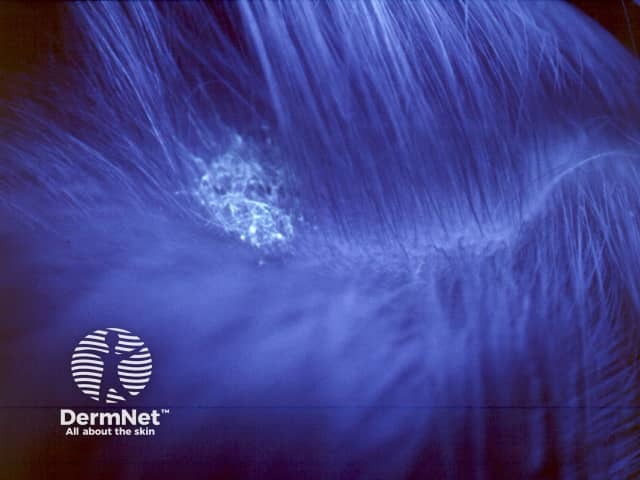
Credit: dermnetnz.org
Safety And Precautions
Using a Wood’s lamp or a black light requires care to avoid harm. Both emit ultraviolet (UV) light, which can affect skin and eyes. Understanding safety tips helps protect you during use.
Small mistakes can cause discomfort or injury. Following clear precautions keeps your experience safe and effective.
Protecting Your Eyes
UV light can damage the eyes. Always avoid staring directly into the light source. Use protective eyewear if available. Keep the light away from children’s eyes. Short exposure reduces risks.
Skin Safety Measures
UV rays may irritate sensitive skin. Limit the exposure time to a few minutes. Do not shine the light on broken skin or wounds. If skin feels uncomfortable, stop using the lamp. Wash skin after use to remove any residues.
Proper Use And Handling
Handle the lamps with care to avoid breakage. Use the lamps only for their intended purpose. Store them in a safe, dry place. Follow the manufacturer’s instructions strictly. Avoid using damaged lamps to prevent UV leaks.
Safe Distance And Environment
Maintain a safe distance from the lamp during use. Use the lamp in well-ventilated areas. Avoid using it near flammable materials. Do not leave the lamp on unattended. Turn off the lamp immediately after use.
Choosing The Right Lamp For You
Choosing between a Wood’s lamp and a black light can be simple. Both lamps use ultraviolet light but serve different purposes. Knowing your needs helps pick the best option.
Consider what you want to detect or highlight. This choice guides you to the right lamp for your tasks.
Purpose Of Use
Wood’s lamps work well for skin tests and detecting fungi. They reveal skin conditions invisible to the naked eye. Black lights are better for parties, art, and detecting stains. Decide what you need the lamp to do first.
Light Wavelength
Wood’s lamps emit ultraviolet light at around 365 nm. This wavelength helps in medical and forensic uses. Black lights usually emit longer wavelengths, near 365 to 400 nm. This range makes objects glow under the light. Choose the wavelength based on your application.
Price And Availability
Wood’s lamps tend to be more expensive and less common. They are often found in medical or professional settings. Black lights are cheaper and easy to find in stores. Consider your budget and where you can buy the lamp.
Portability And Design
Wood’s lamps are usually handheld with a focused beam. This design suits close inspections. Black lights come in various forms, including bulbs and tubes. They cover larger areas and suit parties or room lighting. Think about how you will use the lamp and where.

Credit: www.researchgate.net
Frequently Asked Questions
What Is The Difference Between Wood’s Lamp And Black Light?
Wood’s lamp emits UV-A light at 365 nm, used mainly for medical skin exams. Black light covers a wider UV range, often for parties or art.
Can Wood’s Lamp And Black Light Detect The Same Things?
No. Wood’s lamp helps find skin infections and pigment changes. Black light highlights fluorescent materials and stains in dark settings.
Which Light Is Safer For Skin Examination, Wood’s Lamp Or Black Light?
Wood’s lamp is safer for skin exams due to its controlled UV wavelength. Black light is not designed for medical use.
Conclusion
Wood’s Lamp and Black Light both use ultraviolet rays but serve different purposes. Wood’s Lamp helps find skin problems by showing hidden details. Black Light makes certain materials glow in the dark for fun or safety. Choose the right light based on what you need.
Read More

