
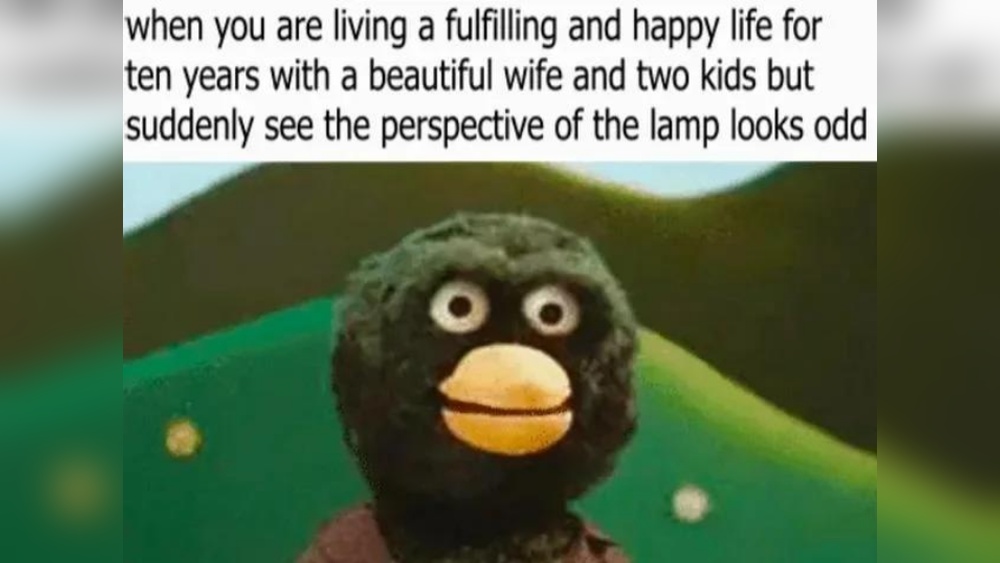
Have you ever glanced at a lamp in your room and thought, “Why does this lamp look weird?” Maybe its shape feels off, or the light it casts seems unusual. You’re not alone.
Sometimes, small details about everyday objects catch our attention and make us wonder if something’s wrong—or if there’s more to it than meets the eye. You’ll discover the surprising reasons behind that strange look and learn how your perception might be playing tricks on you.
Why Does the Lamp Look Weird?
The lamp may look weird due to uneven lighting, a damaged bulb, distorted lampshade, or mismatched color temperature. Dust, reflections, or incorrect placement can also affect its appearance. Checking the bulb type, shade alignment, and light source position usually solves the issue and restores a normal, balanced look.
Strange Designs And Unusual Shapes
Strange designs and unusual shapes catch our attention quickly. Lamps often break the mold with creative looks. These designs challenge what we expect from a lamp’s form. They turn everyday objects into art pieces.
Designers use odd shapes to spark curiosity. These lamps may seem odd at first glance. Yet, they invite us to see light differently. Their unique forms can brighten a room and a mood.
Abstract Forms That Defy Tradition
Abstract lamps avoid clear shapes. They use curves, angles, and twists without rules. These forms often look like modern art. They create mystery and invite questions. Abstract lamps fit well in bold, creative spaces.
Nature-inspired Shapes With A Twist
Some lamps mimic plants, animals, or natural objects. But they do so with a strange touch. Twisted branches or melting flowers are common themes. These lamps bring a bit of wildness indoors. They blend nature with imagination.
Geometric Patterns And Sharp Angles
Geometric lamps show sharp lines and clear patterns. Triangles, hexagons, and cubes can form the base or shade. Their shapes create interesting shadows and light effects. These lamps often look futuristic and clean. Geometry adds structure to unusual designs.
Surreal And Playful Creations
Surreal lamps bend reality and surprise viewers. They may look like everyday objects in odd positions. Or they can combine unrelated items into one lamp. These playful designs bring fun and whimsy. They make lighting an unexpected joy.

Credit: www.eyemindspirit.com
Lighting Effects That Create Illusions
Lighting can change how we see objects. A lamp might look strange because of how light falls on it. Shadows, reflections, and colors can change the lamp’s shape and size. This can trick our eyes and brain. The lamp does not change, but the light makes it look odd.
Light creates illusions by bending and mixing shadows. Bright spots and dark patches can hide parts of the lamp. This makes the lamp look different than it really is. The light’s angle and strength play a big role in this visual trick.
Shadow Play And Its Impact
Shadows can make a lamp look broken or twisted. When light hits the lamp from one side, it casts long shadows. These shadows can overlap or stretch. The lamp’s real edges become hard to see. Our mind tries to fill in missing parts and makes guesses.
Reflection And Light Bounces
Shiny surfaces on or near a lamp reflect light. These reflections can create bright spots or strange patterns. Light bounces between walls, floors, and the lamp itself. This can cause the lamp to appear blurry or doubled. Reflections confuse our eyes about the lamp’s true form.
Color And Light Intensity Effects
Colors change how we see objects. A lamp under colored light can look different. Strong light makes colors bright and clear. Low light makes the lamp look dull or faded. Sometimes, light mixes colors, making the lamp look unusual. The lamp’s real color might hide behind these light effects.
Material Choices And Their Impact
The material used in a lamp changes how it looks and feels. Different materials create unique styles. They also affect how light spreads and how strong the lamp is.
Some materials can make a lamp look strange or unusual. This happens because of their texture, color, or how they reflect light. Choosing the right material is key for the lamp’s design.
Glass And Its Transparency Effect
Glass lets light pass through easily. It can make a lamp look bright or soft. The glass’s thickness and color change the lamp’s glow. Sometimes glass has patterns that create shadows. These shadows can make the lamp look weird but interesting.
Metal And Its Reflective Qualities
Metal surfaces reflect light sharply. This can create shiny spots on the lamp. Metal can also look cold or hard. Different finishes like matte or glossy affect the look. The type of metal changes the lamp’s style. It can seem modern or old-fashioned.
Wood And Its Natural Texture
Wood adds warmth and texture to a lamp. Its natural patterns make each lamp unique. Wood can absorb light, making the lamp dimmer. Sometimes wood shapes are unusual, which looks different. The color of wood also impacts the lamp’s mood.
Plastic And Its Versatility
Plastic can be made in many colors and shapes. It can look smooth or rough. Some plastics shine, others are dull. Plastic can feel cheap or modern depending on quality. Light passes through plastic in many ways, changing the lamp’s look.

Credit: www.reddit.com
Cultural Influences On Lamp Aesthetics
Lamp designs often reflect the culture where they come from. Different regions use lamps in unique ways. This shapes how lamps look and feel.
Culture affects the materials, shapes, and colors used in lamps. These elements tell stories about traditions and beliefs. Sometimes, what seems strange has a deep meaning behind it.
Cultural Symbols In Lamp Design
Many lamps show symbols important to a culture. These symbols may include animals, plants, or patterns. They often represent good luck or protection.
For example, in some Asian cultures, dragons appear on lamps. They symbolize strength and power. These symbols can make lamps look unusual to outsiders.
Materials And Craftsmanship
Cultures use local materials to make lamps. Wood, metal, glass, and fabric vary by region. This choice changes the lamp’s appearance greatly.
Handmade lamps carry the skill of local artisans. This adds a unique touch. The crafting style can make the lamp look very different from mass-made items.
Lighting Traditions And Their Impact
Different cultures use lamps for various purposes. Some use lamps for festivals, others for everyday lighting. This affects lamp size and brightness.
In some places, lamps are designed to create soft, warm light. Others focus on bright, clear light for work. These traditions influence the lamp’s shape and design.
Common Manufacturing Flaws Revealed
Manufacturing flaws can make a lamp look odd or different from the usual style. These small errors happen during production. They affect the lamp’s shape, color, or finish. Sometimes, these flaws are easy to spot. Other times, they are subtle and only noticed after close inspection.
Understanding these common flaws helps you see why a lamp may look strange. It also guides you in choosing better products. Here are some of the most frequent manufacturing issues found in lamps.
Uneven Coating Or Paint
Paint or coating may not cover the lamp evenly. This creates patches that look lighter or darker. The surface may feel rough or bumpy. This happens due to poor spraying or drying techniques.
Misaligned Parts
Parts of the lamp may not fit together well. The base, shade, or bulbs might be crooked. This misalignment makes the lamp look awkward and unstable. It often results from rushed assembly.
Visible Seams And Joints
Seams or joints between lamp parts might be too obvious. These lines break the smooth look of the lamp. They can be rough or sharp to touch. This flaw occurs when parts are not properly finished.
Wrong Or Faded Colors
Colors may not match the original design. Some lamps show faded or dull shades. This affects the lamp’s style and attractiveness. It often happens due to poor material quality or sun exposure during storage.
Irregular Shapes And Sizes
The lamp’s shape may look distorted or off-size. Bulbs or shades might be bigger or smaller than usual. This flaw comes from inaccurate mold making or cutting errors. It makes the lamp appear strange or unbalanced.
:max_bytes(150000):strip_icc():focal(749x0:751x2)/weird-lamp-tout-121324-1436b6887b044c07998205488d2afbdd.jpg)
Credit: people.com
Frequently Asked Questions
Why Does My Lamp Look Distorted Or Misshapen?
A lamp can look distorted due to poor design, damage, or unusual shapes used for decoration.
Can Lighting Affect How A Lamp Appears In A Room?
Yes, lighting changes shadows and colors, making a lamp look different or strange to the eye.
What Common Issues Make A Lamp Look Weird Or Unusual?
Issues like broken parts, wrong bulb size, or dirt can make a lamp look odd or strange.
Conclusion
The lamp looks weird because of its shape and light color. Sometimes, unusual designs catch our eyes quickly. Shadows and reflections also change how we see it. Lighting angle can make a big difference. Our brain tries to understand strange objects.
This reaction is natural and normal. Next time, observe the lamp closely. You might discover a unique style or purpose. Understanding these details helps us appreciate creative designs more. Strange doesn’t always mean bad. It often means different and interesting.

