
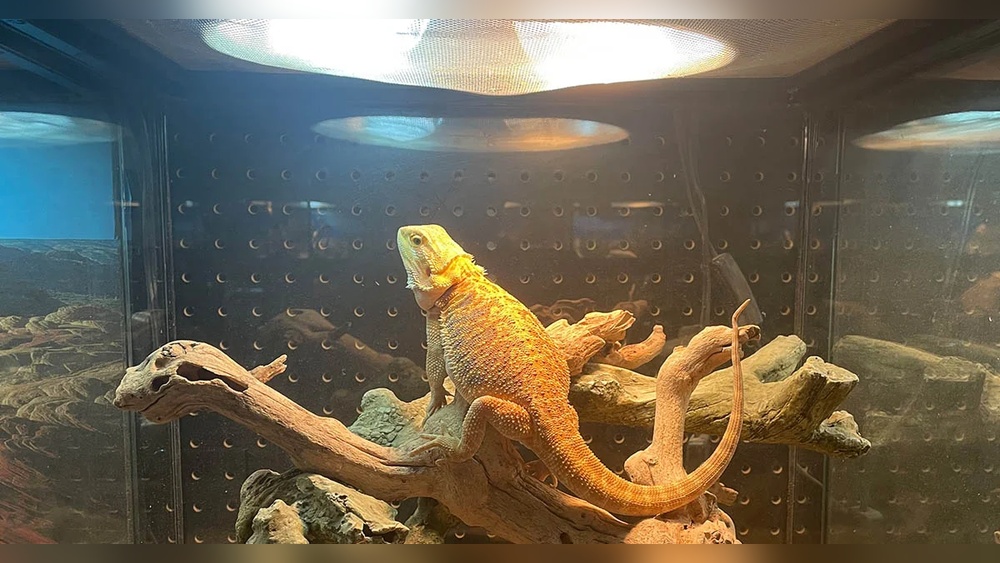
How much does it cost to run a heat lamp? A heat lamp typically costs £0.10–£0.30 per hour to run in the UK. The exact cost depends on the lamp’s wattage and your electricity rate. For example, a 250W heat lamp at £0.30/kWh costs about £0.075 per hour, or roughly £1.80 per day if used 24 hours.
Are you wondering how much it really costs to run a heat lamp in your home or workspace? You’re not alone.
Many people want to stay warm without facing surprise bills at the end of the month. Understanding the true cost of running a heat lamp can help you make smarter choices for your comfort and budget. You’ll discover simple ways to calculate these costs and tips to save money while keeping warm.
Keep reading to find out how to stay cozy without breaking the bank.
How Much Does It Cost to Run a Heat Lamp?

Credit: blog.meyerhatchery.com
Heat Lamp Power Consumption
Heat lamps use electricity to produce warmth. Understanding their power consumption helps estimate running costs. Power consumption depends on the lamp’s wattage and usage time. This section explains how much power heat lamps use and what affects it.
What Is Heat Lamp Wattage?
Wattage shows how much electricity a heat lamp uses. Most heat lamps range from 100 to 250 watts. Higher wattage means more energy use and higher costs. Check the lamp label to find its wattage.
Calculating Daily Power Use
Power use equals wattage times hours of use. For example, a 150-watt lamp used for 5 hours uses 750 watt-hours. Divide by 1000 to get kilowatt-hours (kWh), the unit electricity companies use. So, 750 watt-hours is 0.75 kWh.
Factors Affecting Power Consumption
Usage time directly impacts total power consumption. Longer use means higher energy use. Lamp wattage also varies by type and brand. Some lamps have energy-saving features that lower consumption.
Energy Efficiency Tips
Choose lamps with lower wattage for small spaces. Use timers to limit usage during unneeded hours. Keep the lamp clean for better heat output. These steps reduce power use and save money.
Credit: www.reddit.com
Calculating Daily Operating Costs
Calculating daily operating costs helps you know how much a heat lamp uses in electricity. Multiply the lamp’s wattage by hours used and your electricity rate. This gives a clear idea of what it costs to keep the heat lamp running each day.
Understanding Power Consumption
Heat lamps use electricity measured in watts. Common heat lamps range from 100 to 250 watts. The higher the wattage, the more energy it uses daily. Check the lamp’s label to find its exact wattage.
Calculating Daily Energy Use
Multiply the wattage by the number of hours the lamp runs. For example, a 150-watt lamp running 8 hours uses 1,200 watt-hours. Convert watt-hours to kilowatt-hours by dividing by 1,000. This equals 1.2 kWh per day.
Finding Your Electricity Rate
Electricity costs vary by location and provider. Check your latest utility bill to find the cost per kWh. It usually ranges between $0.10 and $0.30 per kWh. Use this number to calculate your heat lamp cost.
Calculating The Daily Cost
Multiply the daily kWh usage by your electricity rate. For example, 1.2 kWh multiplied by $0.15 equals $0.18 per day. This is the cost to run your heat lamp daily. Simple math helps estimate your monthly and yearly costs too.
Factors Influencing Electricity Bills
Electricity bills vary based on many factors. Running a heat lamp affects your bill differently depending on these details.
Understanding these factors helps you manage costs better. It also helps you decide how long to use the heat lamp.
Wattage Of The Heat Lamp
The wattage shows how much power the lamp uses. Higher wattage means more electricity used. A 250-watt lamp uses more power than a 100-watt lamp.
Usage Time
The longer the lamp is on, the higher the cost. Running it for a few hours costs less than all day. Monitoring usage time keeps bills lower.
Electricity Rate
Electricity rates differ by location and provider. Some areas charge more per kilowatt-hour. Knowing your rate helps estimate costs accurately.
Thermostat And Controls
Thermostats can turn the lamp off when it’s warm enough. This saves energy and reduces bills. Timers and sensors also help control usage.
Insulation And Room Size
Well-insulated rooms keep heat longer. Heat lamps run less in such spaces. Larger rooms need more heat, increasing electricity use.
Energy-saving Heat Lamp Options
Energy-saving heat lamps reduce electricity use and save money. They keep spaces warm without high bills. Choosing the right option helps lower energy costs and supports the environment.
Many energy-saving heat lamps use advanced technology. These lamps deliver warmth with less power. They work efficiently and last longer than old models.
Led Heat Lamps
LED heat lamps use light-emitting diodes to produce heat. They consume less energy than traditional lamps. LEDs have a longer lifespan and need less maintenance. They offer steady warmth and lower electricity costs.
Infrared Heat Lamps
Infrared lamps heat objects directly, not air. This method saves energy by focusing warmth. Infrared heat lamps work fast and maintain comfortable temperatures. They are ideal for small spaces and targeted heating.
Thermostat-controlled Heat Lamps
Thermostat controls keep heat lamps from running nonstop. They turn lamps on and off to keep set temperatures. This reduces wasted energy and lowers bills. Thermostat-controlled lamps provide consistent warmth efficiently.
Solar-powered Heat Lamps
Solar heat lamps use sunlight for power. They reduce reliance on electricity grids. Solar options are eco-friendly and cost-effective over time. They work well in sunny areas and during daytime hours.
Tips To Lower Running Expenses
Running a heat lamp can add to your electricity bill. Small changes help lower these costs. Saving money does not mean less warmth. Simple steps can make a big difference.
Use A Timer To Control Usage
Set the heat lamp to run only when needed. Timers stop the lamp from running all day. This reduces energy waste and saves money.
Choose Energy-efficient Heat Lamps
Look for lamps with low wattage but good heat output. Energy-efficient lamps use less power and keep spaces warm. They cost less to run over time.
Keep The Lamp Close To The Target Area
Place the heat lamp near the area that needs heat. This way, less energy is needed to warm the space. Avoid heating empty or large areas.
Turn Off When Not In Use
Switch off the heat lamp when you leave the room. This simple habit lowers electricity use. It helps reduce your monthly energy bill.
Maintain The Heat Lamp Properly
Clean the lamp regularly to keep it working well. Dust and dirt reduce heat output and efficiency. Proper care extends the lamp’s life and saves energy.

Credit: www.xyzreptiles.com
Frequently Asked Questions
How Much Electricity Does A Heat Lamp Use Daily?
A typical heat lamp uses about 125 to 250 watts per hour, costing roughly $0. 15 to $0. 30 daily.
What Factors Affect The Cost Of Running A Heat Lamp?
Electricity rates, lamp wattage, and daily usage time mainly determine the running cost.
Can Using A Timer Reduce Heat Lamp Electricity Costs?
Yes, timers limit usage to needed times, cutting unnecessary electricity use and lowering costs.
Conclusion
Running a heat lamp costs depend on wattage and usage time. Lower wattage lamps use less electricity and save money. Using the lamp only when needed helps reduce bills. Remember to check your local electricity rates for accuracy. Small changes can make a big difference in cost.
Choose the right lamp for your needs and budget. Staying aware of energy use keeps costs manageable. Simple steps keep your space warm without overspending.
- How to Activate Redstone Lamp: Easy Steps for Instant Lighting
- Best Wall Lamps for Bedroom: Top Stylish & Functional Picks
- Best Vitamin D Sun Lamps for Boosting Mood and Health in

